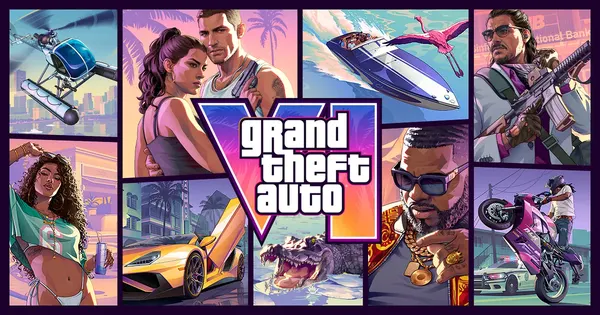
New York, New York — Wall Street is pricing GTA VI like the event it is. Take-Two Interactive shares jumped more than 6 per cent in premarket trading on Wednesday, November 18, 2026, as Grand Theft Auto VI began its global rollout, and the stock kept climbing after the open, changing hands around $216 and trading up 8.49 per cent intraday at 11:14 a.m. EST, according to Finnhub market data, after a previous close of $203.93.
The forecasts moved with the stock. Wells Fargo analyst Alec Brondolo raised his expectation for GTA VI to about 65 million units in the fiscal year through March, up from 35 million, and lifted his annual bookings forecast 19 per cent to $9.76 billion, maintaining an Overweight rating and a $300 price target, according to the analyst note quoted directly by ZeroHedge and reported by Reuters. The 65 million figure splits into an expected 50 million console copies and 15 million PC copies, with a PC release assumed early in 2027.
That is well above the company's own line. Take-Two has reiterated a fiscal 2027 net bookings outlook of $8.0 to $8.2 billion in its official guidance — the benchmark the raised Wall Street numbers are now measured against.
Other estimates underline the scale, and they are estimates. Reuters reported that Oppenheimer expects about $1.85 billion in gross revenue in the game's first three days, against the $1 billion GTA V grossed at its launch more than 13 years ago, and that a Sensor Tower tracker estimated roughly 17.1 million units sold as of early Wednesday. Neither figure is a Rockstar or Take-Two number: the companies have published no launch sales total.
The rollout itself began as midnight struck in New Zealand on Thursday, November 19 local time — Wednesday morning Eastern — and follows the clock toward tonight's midnight-local unlock in North America, on PlayStation 5 and Xbox Series X|S.
Why it matters: the market is no longer debating whether GTA VI is a hit. It is debating how far past the company's own guidance the biggest entertainment launch in years can run — and on day one, Wall Street's answer moved up by billions.