The International Court of Justice has ruled that Myanmar committed genocide against the Rohingya.
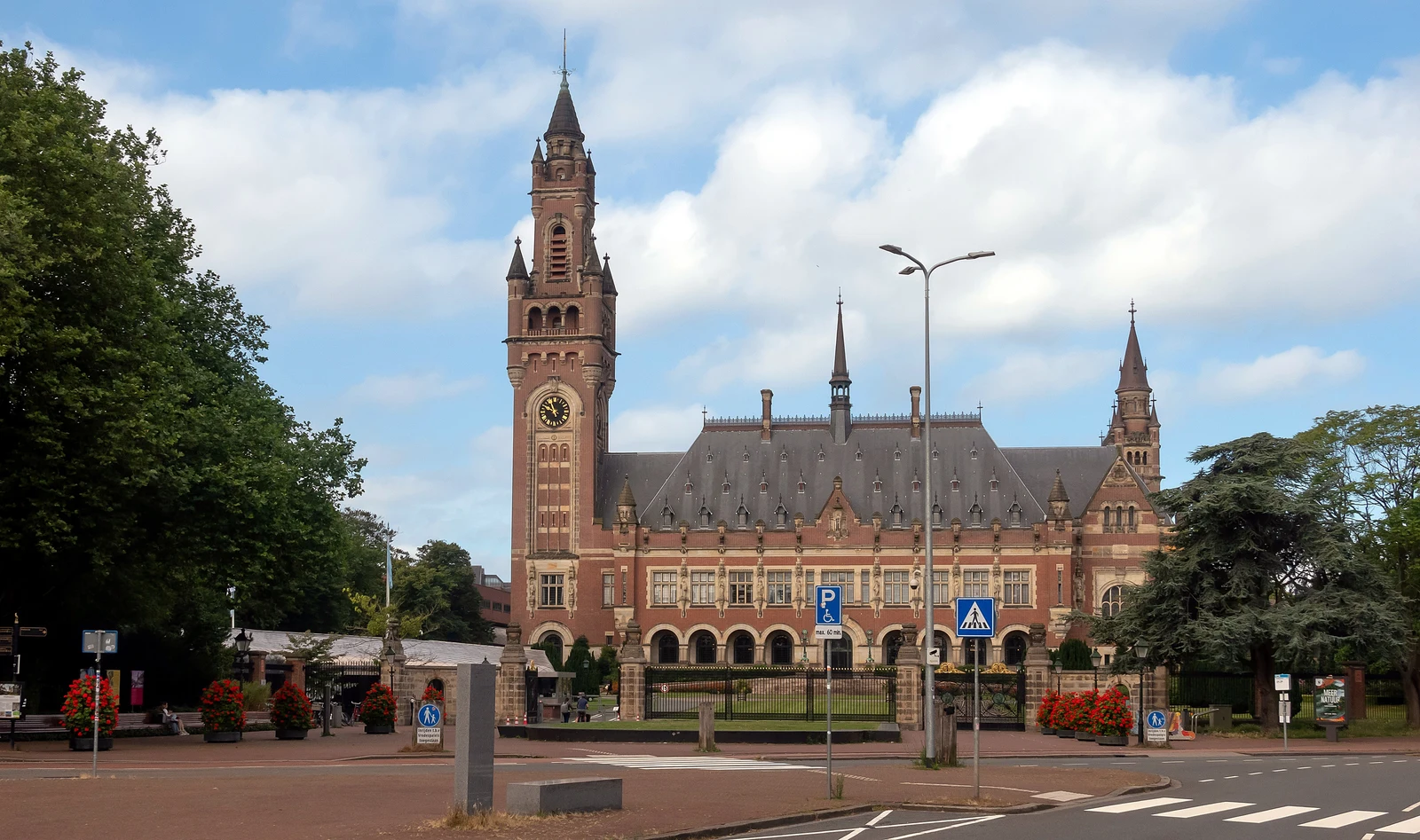
In a 9-6 judgment delivered Thursday, November 19, 2026, at the Peace Palace in The Hague, the Court found that Myanmar committed genocide against the Rohingya in northern Rakhine State during the military's 2017 clearance operations. The Court also found that Myanmar failed to prevent and punish genocide, and that it violated the provisional-measures order the Court issued on January 23, 2020.
The orders that follow from the judgment include cessation legislation, investigation and prosecution of those responsible, guarantees of non-repetition, and restitution — including the safe and voluntary return of Rohingya who fled — with compensation to be addressed, in amount and modalities, in a later phase. Myanmar must report back to the Court within two years.
The case, brought by The Gambia, centred on the 2017 operations that drove hundreds of thousands of Rohingya into Bangladesh. Reporting on the judgment put the estimated death toll at about 10,000 people, with 392 villages burned.
Myanmar's side was heard and rejected: the state argued its operations were a counterinsurgency response to attacks by Rohingya militants. The Court did not accept that defence as an answer to the genocide findings. Rights organisations Fortify Rights and Amnesty International noted the judgment's place in the Court's history — it is the first time the ICJ has found a state directly responsible for committing genocide, rather than for failing to prevent one.
Why it matters: a genocide finding by the world's court is the strongest legal verdict available on the 2017 campaign, and it carries concrete orders — prosecutions, restitution and a path for returns — that Myanmar is now formally bound to answer for. What the state does next, and what other governments do with the ruling, is the story from here.