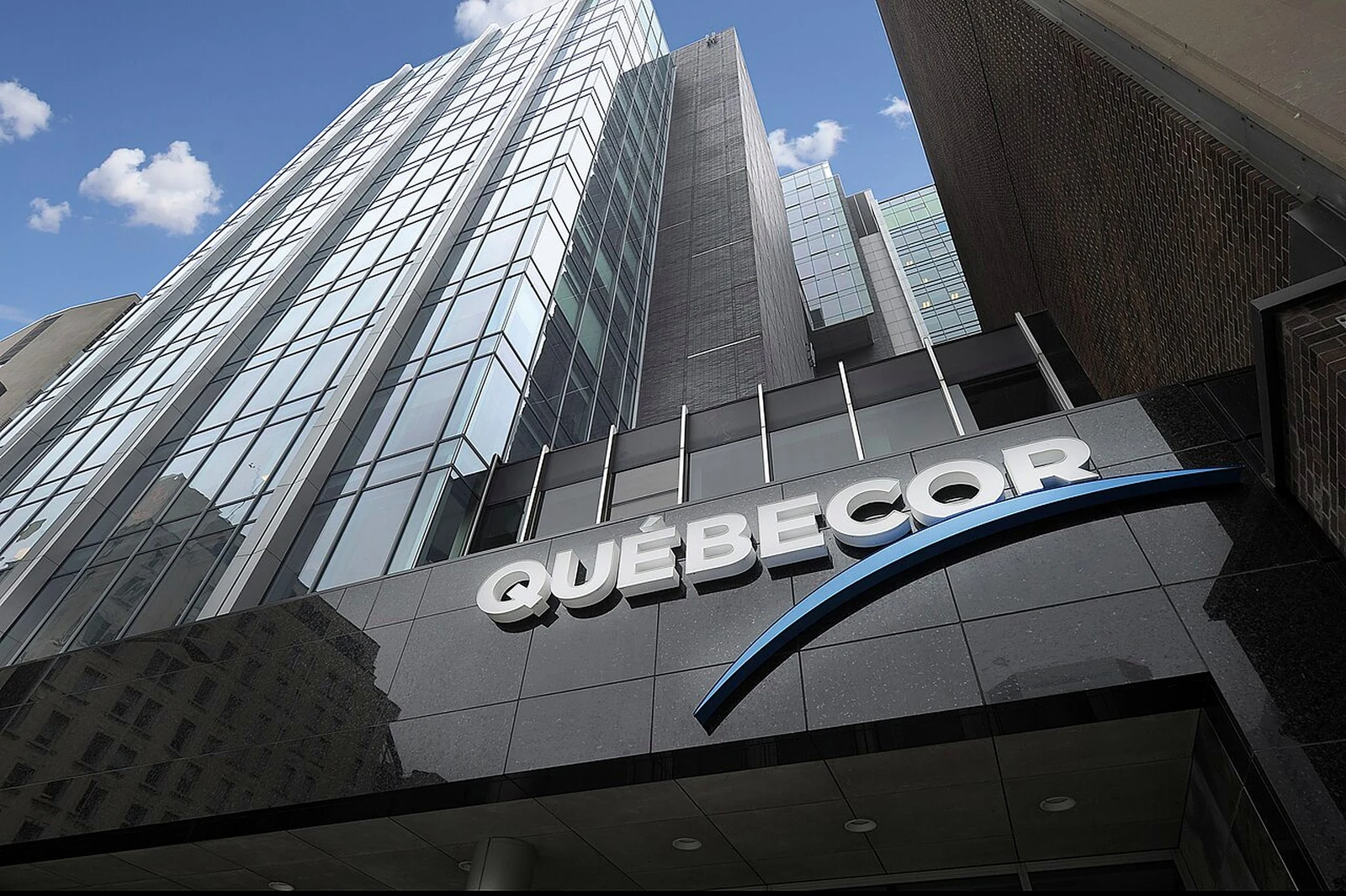
Quebecor Inc. has gone public with an unsolicited proposal to acquire Telus Corporation in a cash-and-stock combination it values at about C$31 billion, and Telus has confirmed receipt while warning that the plan carries significant regulatory and execution risks. Both companies published their positions on Monday, November 16, 2026, the largest proposed Canadian telecom transaction since Rogers bought Shaw.
Under the enhanced proposal Quebecor submitted on November 9, Telus shareholders would receive C$6.35 in cash and 0.1700 of a Quebecor Class B share for each Telus share. Quebecor calculates that package at about C$19.45 per share on its November 13 TSX close — a premium of approximately 60 per cent to Telus's C$12.14 close that day. On roughly 1.6 billion fully diluted Telus shares, that produces the C$31 billion equity figure; including Telus's net debt of about C$29.6 billion, the implied enterprise value is approximately C$60.6 billion. Telus shareholders would collectively hold about 54 per cent of the combined company's economic interest but only about 23 per cent of the votes, because Quebecor's controlling shareholder, the Peladeau family, would retain voting control through the company's dual-class share structure and the right to designate a majority of directors.
Quebecor estimates approximately C$160 million in annual operating synergies and C$235 million in annual capital efficiencies, on top of Telus's announced C$900 million efficiency program. It promises to keep the Telus brands, including Koodo Mobile and Public Mobile, maintain Telus's head office in Vancouver, and maintain its own annual dividend of C$1.80 per share. Its networks — Videotron in Quebec, Freedom Mobile nationally and Fizz — would join Telus's coast-to-coast infrastructure, and Quebecor frames the deal as a sovereignty project: a Canadian-controlled competitor with the scale to invest in 5G, data centres, AI infrastructure and satellite resilience.
The timeline runs longer than Monday's headlines. Pierre Karl Peladeau presented a preliminary combination concept to Telus's then chief executive in London in November 2025. Quebecor submitted a first written, non-binding proposal on June 26, 2026, which the Telus board received on June 27 — days before Victor Dodig succeeded Darren Entwistle as Telus president and chief executive on July 1, the same month Telus reset its quarterly dividend to C$0.1875 a share, a 55 per cent reduction. Quebecor raised the exchange ratio in an amended proposal on November 9, Telus's board answered in a detailed letter on November 15, and both sides made the approach public on November 16. Dodig has invited Peladeau and both companies' chief financial officers to meet on November 23.
Telus's other side is already on the record. Its board has formed a special committee of independent directors, advised by TD Securities Inc. as financial adviser and Stikeman Elliott LLP as legal counsel, to review the proposal and other strategic alternatives. Board chair John Manley said the review has surfaced significant risks, including that, more than four months after its initial proposal, Quebecor has yet to explain how the transaction could be approved under Canada's current telecom regulatory framework, and that a regulatory review would be a long and costly process for shareholders. The board is not satisfied the consideration reflects Telus's value, notes the fixed exchange ratio leaves the final value exposed to swings in Quebecor's share price during a long review, and objects that Telus shareholders would contribute the majority of the combined company's economic value — about 74 per cent of 2025 adjusted EBITDA excluding Telus Health, by its arithmetic — while holding a minority vote in a more leveraged company. Telus says no decision has been made whether to pursue a transaction or maintain the status quo, and there is no assurance any deal results
Ottawa is not deciding yet. Industry Minister Melanie Joly responded on November 16 that the Competition Bureau and the CRTC would independently review any transaction, which would also face Innovation, Science and Economic Development Canada's process for spectrum licence transfers under the Telecommunications Act. The competition question is structural: Canada currently has four national wireless carriers because the Rogers-Shaw approval in 2023 required Freedom Mobile to be carved out and sold to Quebecor as the fourth competitor. A Quebecor-Telus combination would reduce that field to three — Rogers, Bell and the combined company — and Quebecor's own release acknowledges the current moratorium on spectrum licence transfers has not been lifted. Legal scholar Michael Geist argued on November 17 that Ottawa's statement emphasized sovereign connectivity while saying little about preserving the fourth competitor its own roadmap had championed weeks earlier.
Investors rendered a first verdict Monday: Telus shares, down more than 40 per cent over the past year, closed up 12.37 per cent on November 16 after trading sharply higher intraday, while Quebecor's Class B shares fell — pricing in both the premium and the long odds of approval.
Why it matters: this is a proposal, not a takeover bid and not a done deal — Quebecor's own release states it has not made, and is not announcing an intention to make, a formal take-over bid. What happens next runs through the November 23 meeting, the special committee's review of alternatives, and three federal approval tracks. If it ever closes, it redraws the wireless market for every Canadian phone bill; if it fails, Telus still has to answer the strategic question the bid exposed, with its share price, dividend and leadership all reset in the same year.