Some of the most visited websites in the world spent Monday, November 16, 2026, serving malware to their own visitors — and none of them had to be hacked to do it. Security researcher Scott Helme of Report URI found malicious JavaScript in 188 files belonging to 178 organisations, all of it delivered through Optimizely Web, the experimentation platform those sites load on their pages to test and personalise content. The list includes Zoom, the BBC, CNN, Salesforce, GitLab, IKEA, HSBC, Equifax, Air France-KLM, Ledger and Peacock.
The mechanism is what makes the attack a supply-chain problem. Websites using Optimizely load a snippet from cdn.optimizely.com, and each project has a Project JavaScript field that runs on every page. The attacker wrote their own code into that field across unrelated customer projects; the rest of each file was untouched, and it was still served from Optimizely's own domain, with Optimizely's certificate, from a host every affected site already trusted. Report URI's timeline puts the last clean capture of the BBC's snippet at 02:21 UTC on Monday and the first injection at 04:21 UTC. Optimizely later told BleepingComputer an unauthorised party had exploited a vulnerability in its Experimentation account signup flow to add the code. Report URI is clear about the limit of what is known: how the attacker got write access to so many projects is still for Optimizely to explain, and this was not a poisoning of Optimizely's delivery network itself.
The payload did several jobs at once, and it kept growing — Report URI counted 26 rebuilds during the day. It swapped cryptocurrency wallet addresses for the attacker's in page text, form fields, links and the clipboard. A card skimmer added in the afternoon watched for card numbers, expiry dates and security codes typed into a site's own payment forms. It sent cookies and page screenshots to the attacker. And on iPhones and iPads it delivered the Coruna and DarkSword exploit kits, matched to the visitor's iOS version. By 19:25 UTC, the attacker's wallets had received about $7,040 in cryptocurrency, all within roughly nine hours, per Report URI. How many cards or cookies were taken cannot be seen, Helme noted.
The clean-up moved fast once the attack was public. Report URI's sweep found 186 of 1,611 snippets infected in the early evening; after a mass clean-up around 20:40 to 21:10 UTC, only one of the 188 — TalkTalk's — was still infected at 21:52 UTC. Optimizely, in a status notice posted at 01:02 UTC on Tuesday, November 17, said it had fixed the vulnerability and removed the injected code from affected projects, secured affected accounts and added protections against unauthorised code delivery; to BleepingComputer it added that it had blocked the vulnerable path, ended sessions, revoked tokens, reset access for affected accounts and notified all affected customers. BleepingComputer independently confirmed, from urlscan.io records, that the malicious script loaded or tried to load on sites including Zoom, KLM, GitLab, BBC, CNN, Smartsheet and Salesforce, and HudsonRock also found evidence the sites had served the code.
The affected companies' own answers are narrower than the headline. Salesforce said it was investigating unauthorised Optimizely script changes and disabling the scripts as a precaution. Equifax said it had stopped using Optimizely and found no evidence its systems were compromised. IKEA said it was seeking to determine any potential impact on its digital services and customers. Optimizely, Apple, Zoom, HSBC and CNN did not immediately respond to Reuters. And the central limit stands: Reuters could not immediately ascertain whether the code was successfully used in each case, or the extent of any resulting hacks — delivery of exploit code to a device is not, by itself, proof that the device was compromised.
Why it matters: every affected brand outsourced a piece of its own pages to a trusted third party, and that trust was the attack surface — the malicious code arrived from a domain the sites had deliberately whitelisted. Report URI's Helme put the lesson plainly: trusted JavaScript does not always remain trustworthy, and a website can be compromised through a third-party dependency without its own code or infrastructure ever being breached. Anyone who visited an affected site on Monday should check any crypto transfer made that day against the address they meant to use, watch card statements, and keep iPhones and iPads updated.
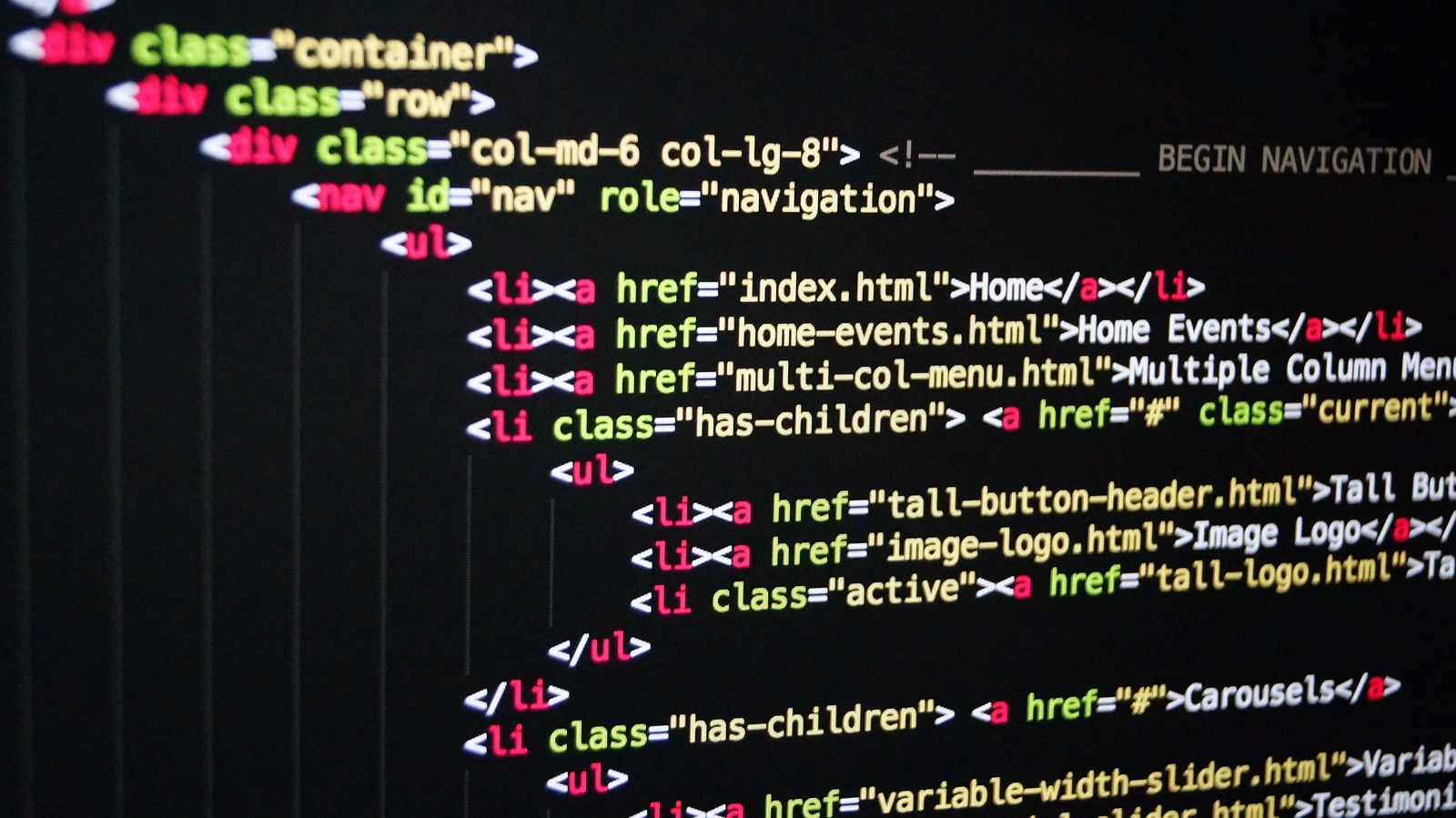
Photo: website code on a screen (file photo).
Sources: Report URI — Scott Helme, "World's Largest Brands Infected With Malware Via Optimizely" (November 16, 2026); Optimizely — Web Experimentation Security Incident notice (November 17, 2026) and statement to BleepingComputer; Reuters (November 16, 2026); BleepingComputer (November 16, 2026); Help Net Security (November 17, 2026).