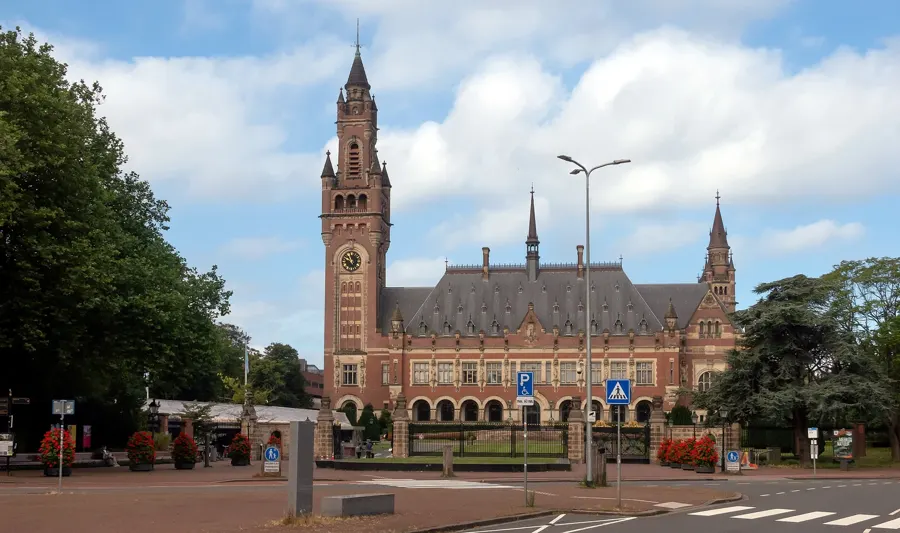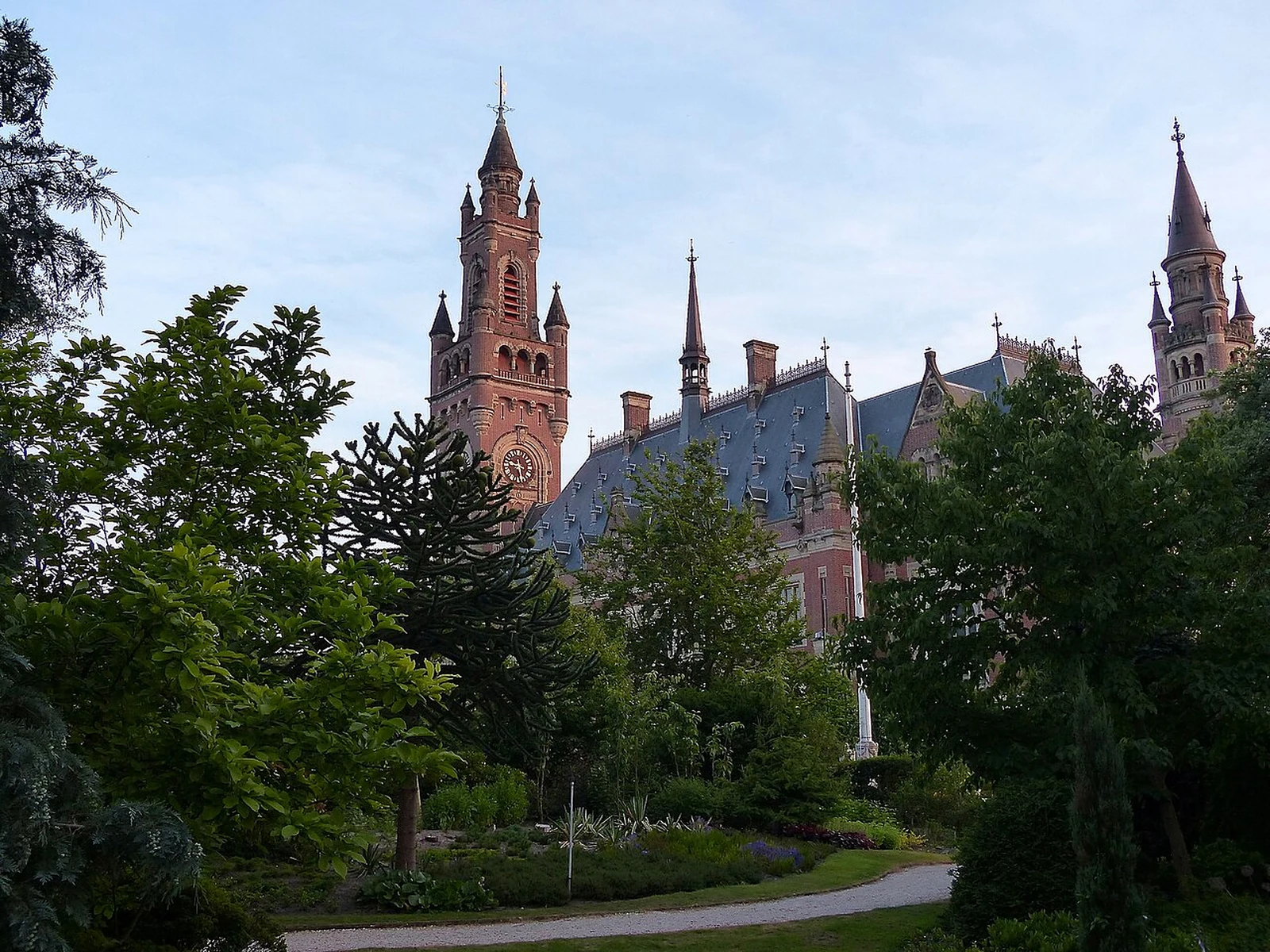
The Hague, Netherlands — The International Court of Justice will deliver its judgment on Thursday, November 19, 2026, in the genocide case brought by The Gambia against Myanmar over the military's 2017 campaign against the Rohingya. Court president Judge Yuji Iwasawa will read the judgment at a public sitting at the Peace Palace in The Hague, beginning at 10 a.m. local time. No outcome exists yet, and none is stated here.
The Gambia filed the case in November 2019, with the backing of the Organisation of Islamic Cooperation, alleging that Myanmar breached the 1948 Convention on the Prevention and Punishment of the Crime of Genocide. The case concerns the clearance operations Myanmar's military launched in Rakhine State from August 25, 2017, which drove at least 730,000 Rohingya into neighbouring Bangladesh amid widely documented killings, rapes and village burnings — the conduct The Gambia asks the court to judge.
Myanmar denies genocide. Its position is that its forces were conducting a legitimate counter-terrorism campaign in response to attacks by the Arakan Rohingya Salvation Army on police posts in August 2017, attacks that killed 12 security personnel. This is a dispute between states: the court will decide whether Myanmar, as a state, bears responsibility — not whether any individual is guilty.
The road here ran seven years. The court rejected Myanmar's objections to its jurisdiction in July 2022, ordered provisional measures in January 2020 requiring Myanmar to prevent genocidal acts and preserve evidence, and heard the merits from January 12 to 29, 2026, including closed-door testimony from Rohingya witnesses. Eleven states intervened, among them Canada, France, Germany, the Netherlands and the United Kingdom.
The judgment will be only the third time the World Court has ruled on the merits of a genocide case, and its first in more than a decade. The court has never found a state responsible for genocide. Its judgments are final, with no right of appeal, although enforcement depends on international mechanisms, including the United Nations Security Council.
Why it matters: whatever the bench decides on Thursday becomes the standard other courts and governments reach for — observers are already watching for what it means for how state responsibility is assessed in other cases, including South Africa's case over Gaza. For the Rohingya in the camps in Bangladesh, it is the first final word from the world's highest court on 2017.