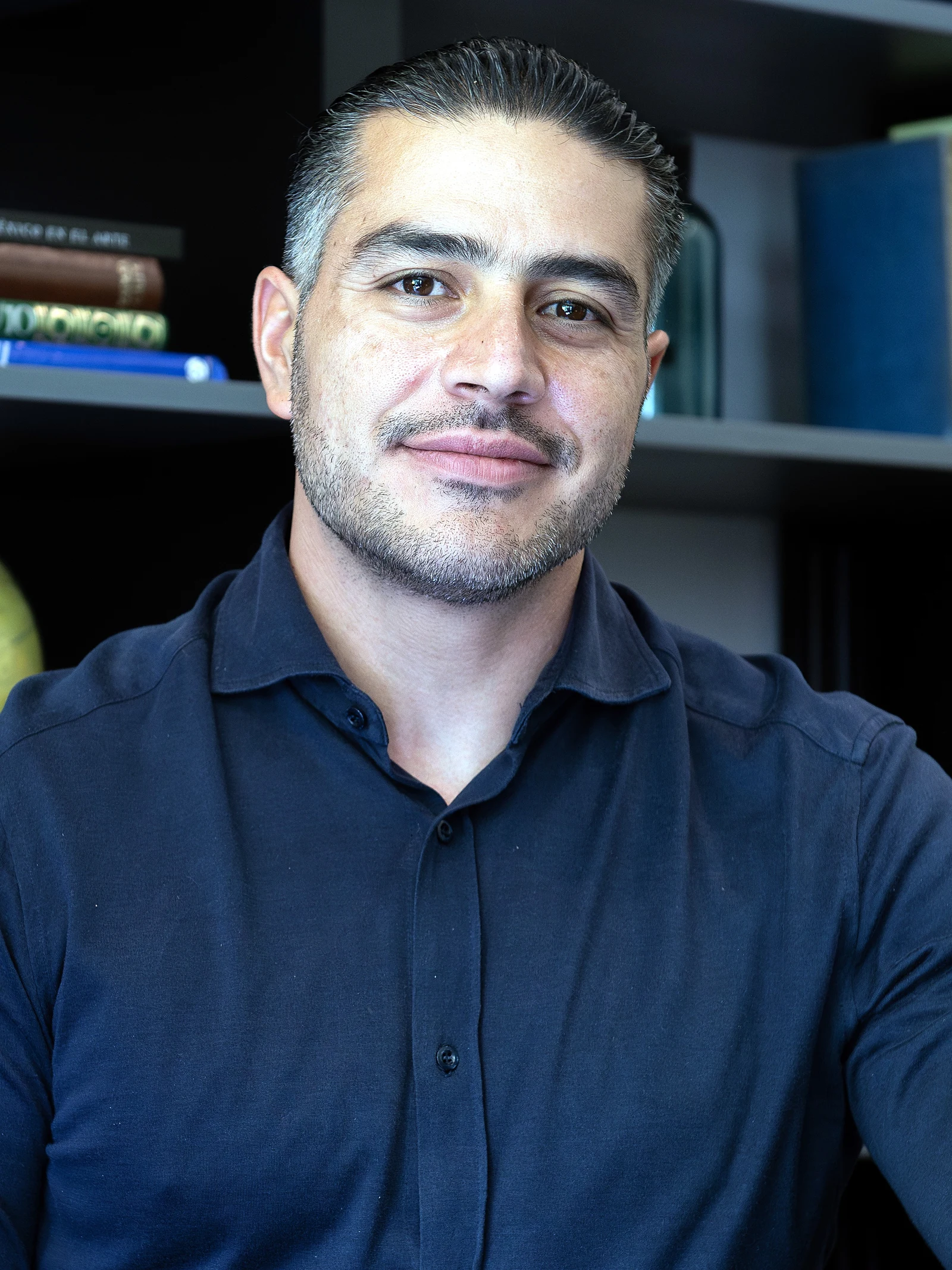
Guasave, Sinaloa, Mexico — One of the FBI's Ten Most Wanted Fugitives is in Mexican custody. Fausto Isidro Meza Flores, the cartel boss known as "El Chapo Isidro," was captured on Friday night, November 20, 2026, in Guasave, Sinaloa, in an operation by Mexican Army and National Guard special forces, according to Reuters and the Associated Press, reporting Mexico's Defense Ministry account of the raid.
Meza Flores led the Beltrán Leyva / Meza-Flores organisation and had been wanted in the United States for more than a decade on charges of trafficking heroin, methamphetamine, cocaine and marijuana into the US. The US State Department put a $5 million reward on him in 2017, and the FBI added him to its Ten Most Wanted Fugitives list on February 4, 2025. His US indictment, first filed in 2012 and superseded in 2019 in the District Court for the District of Columbia, covers an alleged conspiracy running from 2005 to 2019. The charges against him are allegations in a US court; the capture announced Saturday is a detention, not a conviction.
The operation did not end with the arrest at the house. Mexican forces came under attack with guns and explosives before entering and detaining him, and the night that followed turned Guasave — a municipality of about 290,000 people — into a battleground. The Defense Ministry's latest figures, carried by both wires on Saturday, say seven alleged cartel gunmen and four Mexican soldiers were killed, 11 dead in total. An early Associated Press report of no casualties was superseded by that later Defense Ministry statement. Retaliatory violence spread overnight: at least 10 roadblocks with burning vehicles, helicopters and drones overhead, and gunfire that forced people to flee Kuroda Park during a baseball game. Businesses and cars were burned. By Saturday, Sinaloa authorities said the violence had substantially subsided and the situation was under control.
Eight people were detained in total. Alongside Meza Flores, forces held his cousin, described by the Defense Secretariat as his second-in-command, and his brother-in-law, described as the organisation's financial operator. Three detainees were transferred to Mexico City and five were turned over to the Attorney General's Office in Culiacán. Meza Flores himself could not be extracted until the early hours of Saturday because of the violence; he was taken to Mexico City and handed to the Specialized Prosecutor's Office for Organized Crime (SEIDO). Seizures from the operation included a .50-calibre rifle, a grenade launcher and two hand grenades, according to Security Secretary Omar García Harfuch.
García Harfuch, who announced the capture on Saturday, said armed forces would remain deployed in Sinaloa to protect civilians, called the detention "an important step in pacifying Sinaloa," and extended condolences for the four soldiers killed. Mexico's government said intelligence from the United States helped make the operation possible. US Ambassador Ronald Johnson wrote on X that "the exchange of strategic intelligence between the United States and Mexico helped make this operation possible," and the DEA, Homeland Security Investigations and US Northern Command all commended Mexico's forces.
The capture lands in the middle of a larger pressure campaign. President Claudia Sheinbaum faces sustained pressure from President Donald Trump, who has threatened unilateral US action, to crack down on the cartels. Meza Flores' group had recently allied with the Los Mayos faction of the Sinaloa Cartel in its war with Los Chapitos, which made him both a target and a piece on a bigger board.
The other side of the kingpin strategy came from security analyst David Saucedo, who cautioned the Associated Press that arresting the No. 1 and No. 2 of an organisation leaves the network itself intact — and can trigger more violence as what remains fights over what is left. Guasave's burning roadblocks on the very night of the capture are the first test of that warning.
Why it matters: this is the rare capture that satisfies three audiences at once — Washington gets a Ten Most Wanted name off the board, Mexico City gets proof its forces can take a top boss on their own soil, and Sinaloa gets a promise of pacification. Whether any of the three holds depends on what the Meza-Flores network does next, and on whether the calm Sinaloa authorities reported on Saturday survives the week.