Zane Lowe has a number that would have been hard to imagine in Apple Music Radio's early years: the service now reaches over 50 million unique listeners a month.
Lowe, Apple Music's global creative director, gave the figure in Billboard's On The Record interview with host Kristin Robinson, published November 18. "We now, overall, reach over 50 million unique listeners a month, which is a really large number for us, and it's growing exponentially and really fast," he said.
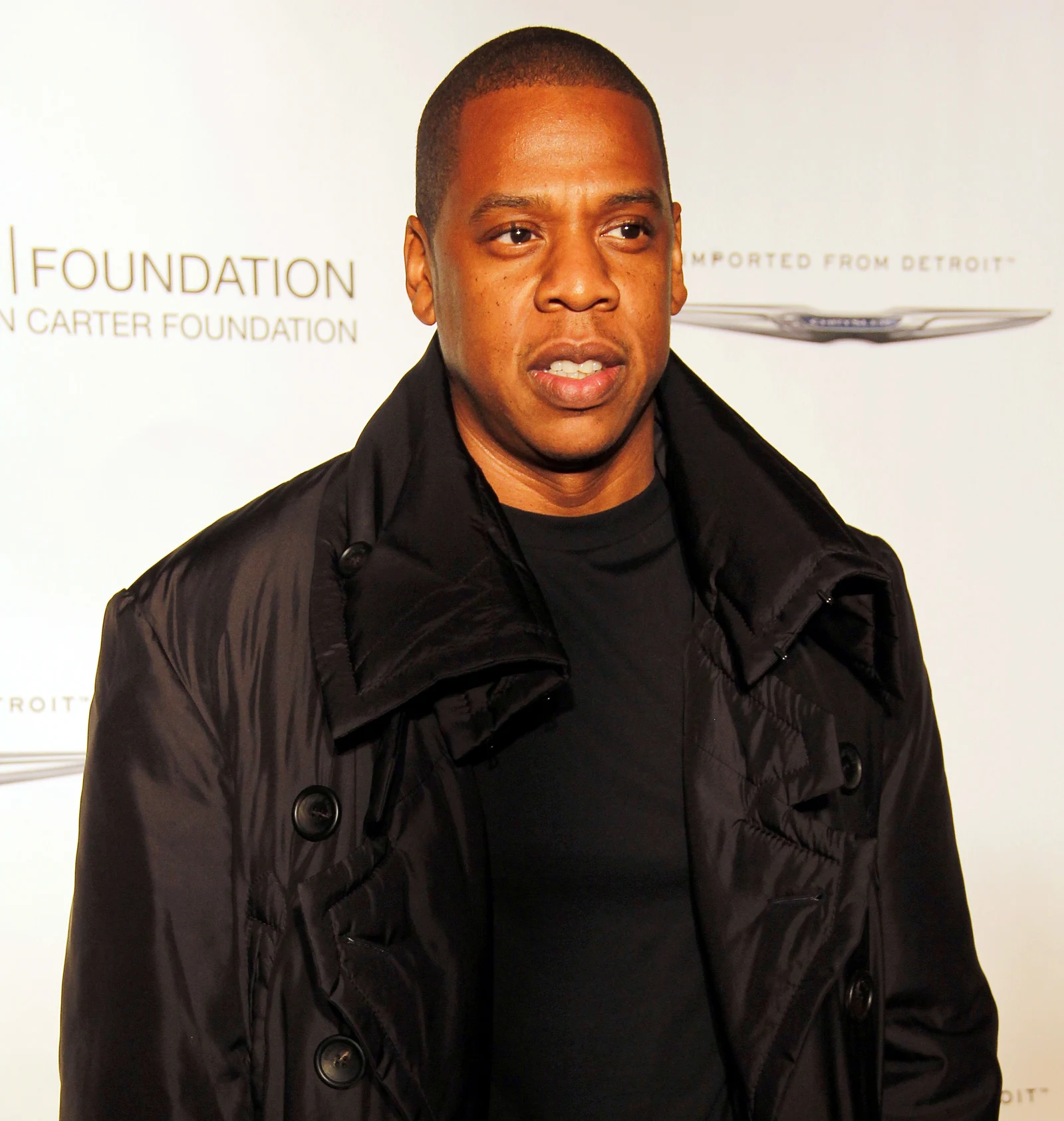
The turning point, by Lowe's own account, was not a format change handed down from above. It was an artist insisting on more time. His long-form Jay-Z interview — which Jay-Z insisted be made long form and posted to YouTube — pushed Lowe away from the habits of commercial radio and back toward open conversation.
"When I go on radio, you're constantly sort of reminded that people can turn off at any moment," Lowe said in the interview. "I was really trying to make great radio, and it was really getting on YouTube that changed that. It was the Jay-Z interview, which he insisted we make long form, and it got me back to almost where I started, which was this space where conversation can run free."
Lowe contrasted that with the service's start. He joined Apple about 11 years ago from BBC Radio 1, and described the early response to Apple Music Radio as "crickets." The service has since played over 6,500 individual artists this year alone, roughly half of them — about 3,300 — new or emerging acts. Artists Lowe backed early included Billie Eilish, whose "Ocean Eyes" he championed, Khalid and Bryson Tiller.
The interview also put Lowe on the other side of the industry's loudest current argument: prompt-driven creative work. "That's why I don't understand the idea of prompt over process," he said. "I have no interest in prompting for creative results. It's a replacement theory that leaves me completely cold at best. At worst, it keeps me up at night. It makes me furious."
Why it matters: the 50-million figure is Apple putting a scale number on a bet it has made for a decade — that human curation and long-form conversation can hold an audience in an algorithmic era. The Jay-Z detail is the mechanism Lowe himself credits: an artist demanding a longer, less interrupted conversation became the template. Whether that template is a durable advantage or a nostalgia play is the live debate in music media — but on Lowe's numbers, the audience for it is still growing.