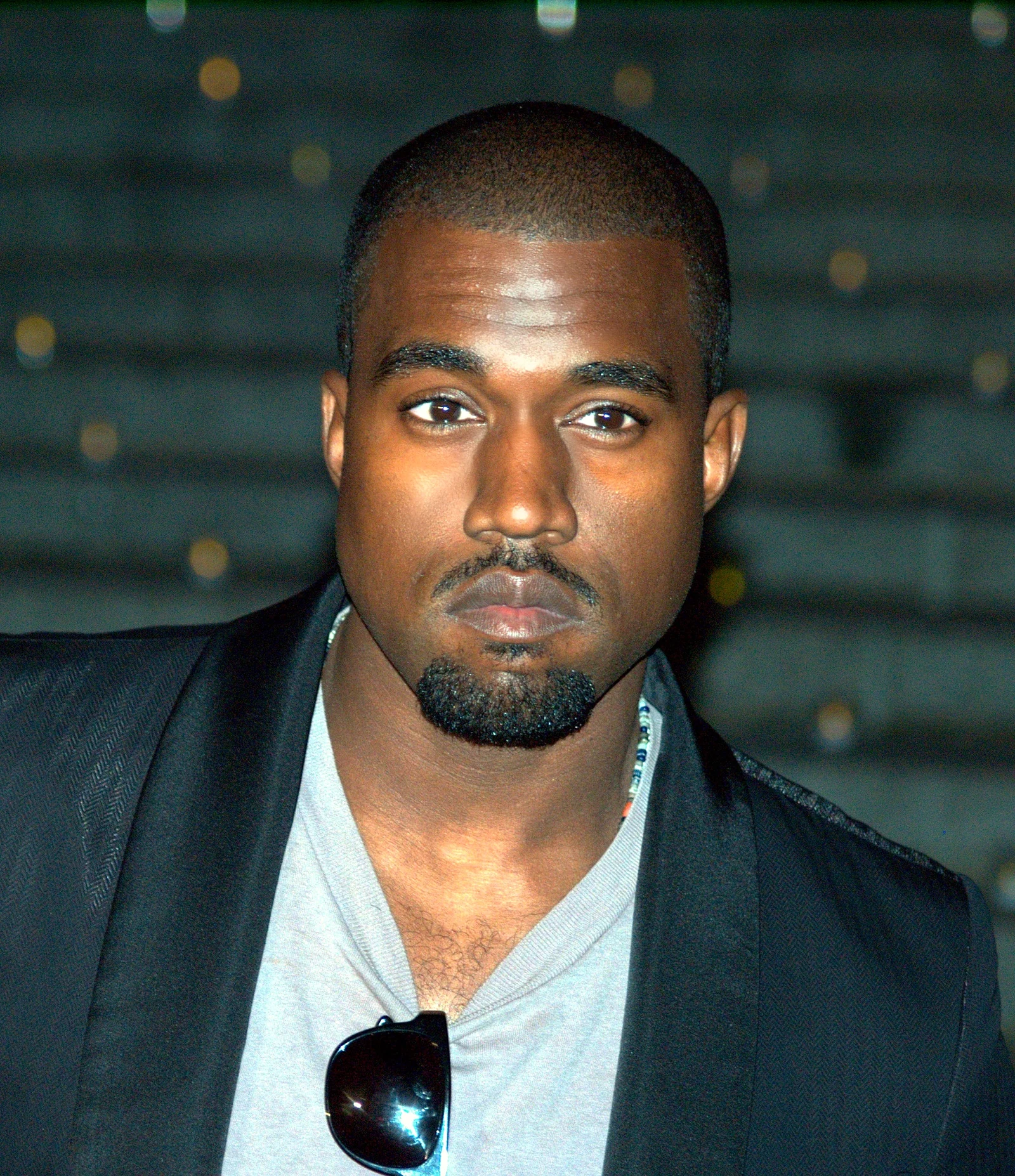
Los Angeles, California — Ye has settled the copyright lawsuit Alice Merton brought over the sample of her 2022 song 'Blindside' in 'Gun to My Head,' and a federal judge has dismissed the case without prejudice. U.S. District Judge Fernando L. Aenlle-Rocha signed the dismissal on Thursday, November 12, 2026, after both sides told the court on November 6 that they had reached a settlement, according to court reporting by Rolling Stone, AllHipHop and Complex. The terms were not disclosed in the dismissal order.
The dispute began before the song was ever released. Ye's clearance team asked Merton on February 15, 2024, for permission to use a segment of 'Blindside' spanning most of the song's bassline melody and a vocal recording of her opening line, 'I sat down with a gun to my head.' Merton refused weeks later. In her complaint, she said she was unwilling to compromise her personal beliefs: she is a direct descendant of Holocaust survivors, and she pointed to Ye's antisemitic and racist remarks as the reason she would not clear the sample. The track was released anyway, as a ¥$ digital deluxe track on 'Vultures 2' featuring Ty Dolla $ign and Kid Cudi, with Merton's opening line becoming its dominant lyric.
Merton sued Ye and Yeezy Record Label LLC in March 2025, joined by her companies Merton & Grauwinkel GmbH and Paper Plane Publishing GmbH. The case was heading toward a March 15, 2027 trial when the settlement landed. The November 6 notice said the agreement resolves the entire case once its terms are performed, over an anticipated 30 to 45 days. Judge Aenlle-Rocha's order vacated every deadline in the case, including the trial date and a November 20 summary-judgment hearing, and left a 90-day window to reopen the case if the settlement is not completed.
What the dismissal is not is a verdict. No court ruled that the sample infringed Merton's copyright — the case ended by agreement, and the dismissal without prejudice is not a finding on the underlying allegations. The only merits-adjacent ruling in the file was an October 2026 order refusing Ye's attempt to strike the suit's references to antisemitism and the Holocaust, which stands as background to the dispute, not as a ruling on the sample itself.
The other side of the story is the clearance system itself. Merton's refusal was explicit and early, and the song came out regardless — which is why this case drew attention well beyond one deluxe track. For artists who sample, the file is a clean lesson: a documented 'no' does not expire, and releasing over it converts a licensing fee into years of federal litigation.
Why it matters: the settlement closes one of the most closely watched sample fights in recent rap — a case where the refusal was never about money — and it does so without any court deciding the infringement question, leaving the legal risk of uncleared samples exactly where it was, on the artist who releases anyway.
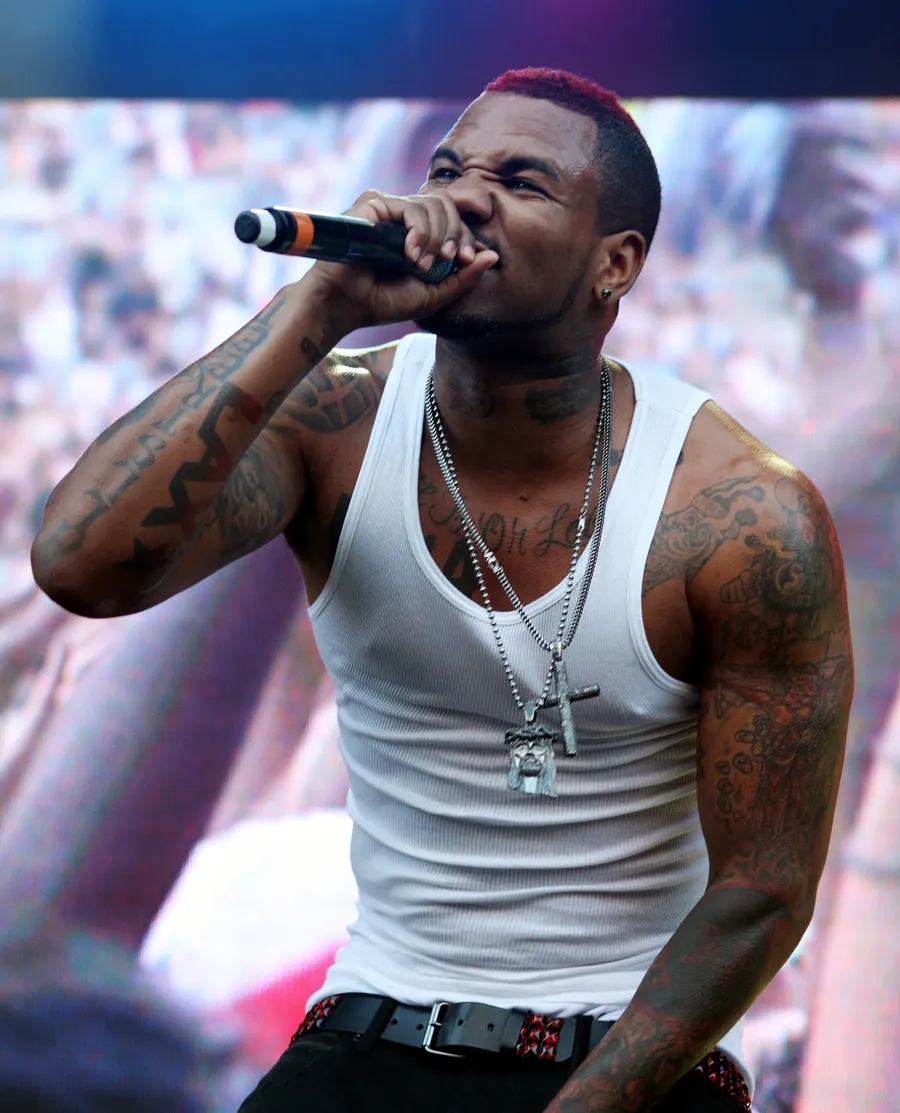
Photo: Ye in a file photo from the 2009 Tribeca Film Festival.