Toronto, Ontario — Ontario's first research chair dedicated to fusion energy is coming to the University of Toronto. The Ontario government announced on Friday, November 13, 2026 that the province and the federal government have jointly selected U of T to host the Centre for Fusion Energy Research Chair, supported by a $5 million joint federal-provincial investment, with the university adding a further $2.5 million to the chair's endowment, according to the Ontario release.
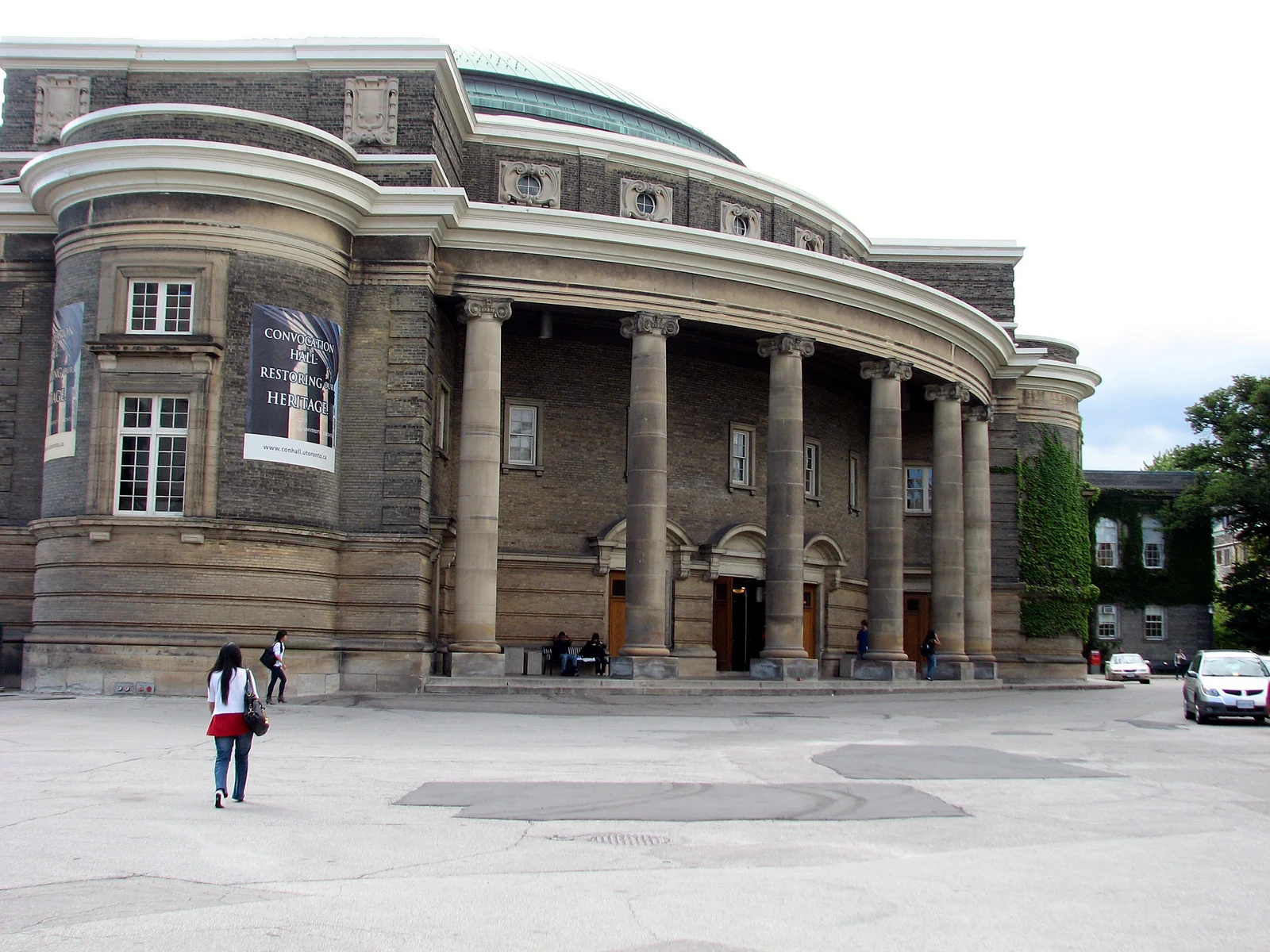
The chair will focus on plasma physics — the science of the superheated matter at the heart of fusion energy — and U of T will run a competitive recruitment to name the inaugural chair holder. The announcement was made at U of T's Michael E. Charles Faculty Council Chamber, with Atomic Energy of Canada Limited (AECL) confirming the selection the same day; AECL's own release describes the chair's work spanning experimental plasma physics, magnetic fusion devices and materials science.
The chair builds on a larger bet the two governments placed a year ago: $52.5 million to establish the Centre for Fusion Energy itself — $19.5 million from Ontario in November 2025 and $33 million from the federal government. The Centre's partners are AECL, Ontario Power Generation and Stellarex Group Limited, and Ontario's release says Stellarex has committed up to $39 million to the Centre. One caution for readers comparing coverage: AECL and Canadian Nuclear Laboratories describe a separate $2.5 million endowment contribution in their own announcement, with different funders named. The two releases do not explain how their figures relate, so BIA808 is reporting each set of numbers under its own attribution rather than adding them together.
Fusion — the reaction that powers the sun — has been a laboratory promise for decades, but governments and private companies are now spending at a scale that treats commercial fusion as an industry to build rather than a curiosity to study. A dedicated chair is how a province buys itself a seat in that build-out: it anchors specialist researchers, graduate training and industry partnerships in Toronto instead of watching them land elsewhere.
Why it matters: this is Ontario positioning itself in the one energy race where the map is still being drawn. The money announced Friday is modest next to the $52.5 million Centre and Stellarex's commitment, but the chair is the human piece — the person and the lab around them that decide whether Toronto becomes a place fusion research happens, or just a place that reads about it.