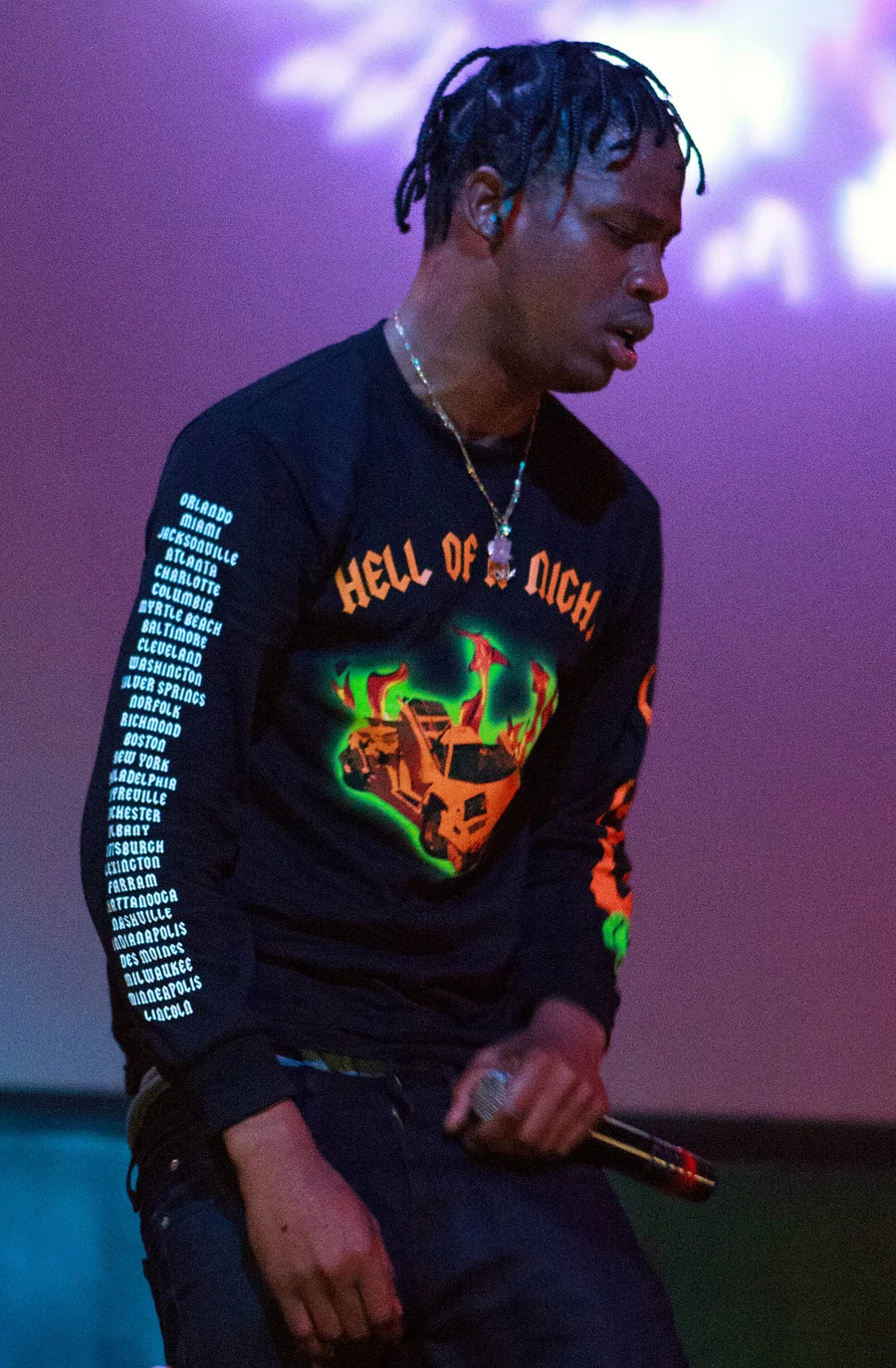
Travis Scott, Don Toliver and their JACKBOYS collaborators are facing a copyright lawsuit over "What To Do?", the 2019 track from Scott's Cactus Jack collective — and the man suing them is not a stranger to the record. The lawsuit, filed in federal court in New York on Tuesday, November 17, 2026, comes from Israeli producer Niv Kalisky, who works as Early Yellow and is already credited as a songwriter and additional producer on the song. What he says he never got, the complaint alleges, is paid for the recording itself.
The distinction at the centre of the case is one the music business runs on: a song has two copyrights — the composition, which generates publishing income, and the sound recording, which generates master royalties. Kalisky has received publishing income, Billboard reports. His lawsuit claims he is also entitled to master royalties because, it alleges, the track's producers built the final recording around a sample beat he created — his original recording titled "Moazin99bpm" — and that no licensing deal for that recording was ever reached.
According to the complaint, obtained independently by Billboard and by Rolling Stone, Kalisky shared "Moazin99bpm" with representatives of two producers who worked on "What To Do?", and months later one of the producers allegedly sent him a version incorporating his beat for review and approval. The lawsuit alleges that the song was released anyway, without a licence and without payment to him for the sound recording. In the complaint's words, the defendants had "actual knowledge that the Plaintiff had received zero compensation for the usage of the sound recording contained in the registered sample."
The lawsuit further alleges that Kalisky's lawyers sent repeated royalty requests over the years to Cactus Jack and to Sony's Epic Records without success, and that when his team filed copyright takedown requests with streaming services, Sony answered with counter-notices that kept the song up. The complaint characterises Sony's conduct, in Kalisky's words, as an "illegal monetization scheme" built on "wrongful and fraudulent" challenges to those takedowns — the plaintiff's characterisations in an untested filing, not findings by any court.
The lawsuit states that "What To Do?" has logged more than 270 million streams on Spotify and more than 60 million plays on YouTube, and accuses the defendants of "willful unauthorized usage and monetization" of his music across seven years. The track appeared on the self-titled JACKBOYS album, which debuted at No. 1 on the Billboard 200; the song itself reached No. 56 on the Billboard Hot 100.
Kalisky is asking the court to declare that the defendants wilfully infringed his copyright and that he owns 50 percent of all rights in the sound recording. He also seeks an accounting of the track's earnings, a share of its profits, and at least $1 million in damages on related claims including unfair competition and unjust enrichment, according to Rolling Stone's reading of the complaint. Named defendants include Scott, Toliver, Sheck Wes, Cactus Jack, Sony and several producers on the track.
Kalisky's lawyers, Justin M. Jacobson and Daniel Cruz Hernandez, told Billboard on Tuesday: "Producers are becoming more aware of their rights, and today our client chose to stand up for what he deserves."
The other side has not been heard. Representatives for Scott, Toliver and Sony Music did not immediately respond to requests for comment from Billboard or from Rolling Stone, and none of the defendants had responded publicly when this story was prepared. Nothing in the complaint has been tested or proven in court; the defendants will have the opportunity to answer, challenge or settle the claims as the case proceeds.
Why it matters: sample and master-rights disputes are where a hit record's money is actually divided, and this one pits a credited insider — a producer whose name is already on the song — against the label system he says paid him for the writing and never for the recording.
Sources: Billboard (complaint obtained, first reported) and Rolling Stone US (complaint obtained independently), November 17–18, 2026.