Toronto, Ontario — Less than a week after being sworn in for a second term, Mayor Olivia Chow has replaced the City of Toronto's top civil servant — using the strong mayor powers she has long criticized as undemocratic.
Chow announced on Monday, November 23, 2026, that city manager Paul Johnson is leaving the role he has held since December 2, 2022, when then-mayor John Tory appointed him. Chow kept Johnson on after her 2023 byelection win. Deputy city managers Jag Sharma and Kate Bassil are also leaving. Chief financial officer and treasurer Stephen Conforti steps in as interim city manager starting Friday, November 27, 2026, and council will be involved in selecting a permanent successor.
The shakeup is also a restructure. Toronto's administration will be reorganized from six service areas down to four, effective November 27: Community Development and Human Services, led by deputy city manager Denise Andrea Campbell; Infrastructure and Environment Services, under David Jollimore; Housing and Economic Development, overseen on an interim basis by chief planner Jason Thorne; and Finance and Corporate Services, with Sonia Brar serving as interim chief corporate officer reporting to a future deputy city manager for that area.
Chow told reporters the new term comes with a new mandate and that "changes need to happen" to deliver better services and streamline the administration. The decisions were made without input from city council, under Ontario's strong mayor legislation, which lets designated mayors hire and dismiss the city manager and reorganize the municipal structure. Chow defended her use of the powers on Monday, saying she was not overriding any council decisions — even though she has criticized the powers themselves as undemocratic, and coverage noted she had pledged during the municipal election campaign not to use them. Some councillors took issue with how the decision was made, per Global News' City Hall reporting.
Why it matters: the city manager runs the Toronto Public Service day to day — every service residents touch, from transit to shelters, reports up through this office. Replacing the top three layers of that administration at once, days into a new term and without a council vote, is the strongest signal yet of how Chow intends to run her second mandate — and it tests the strong mayor law she once opposed, now from the mayor's chair.
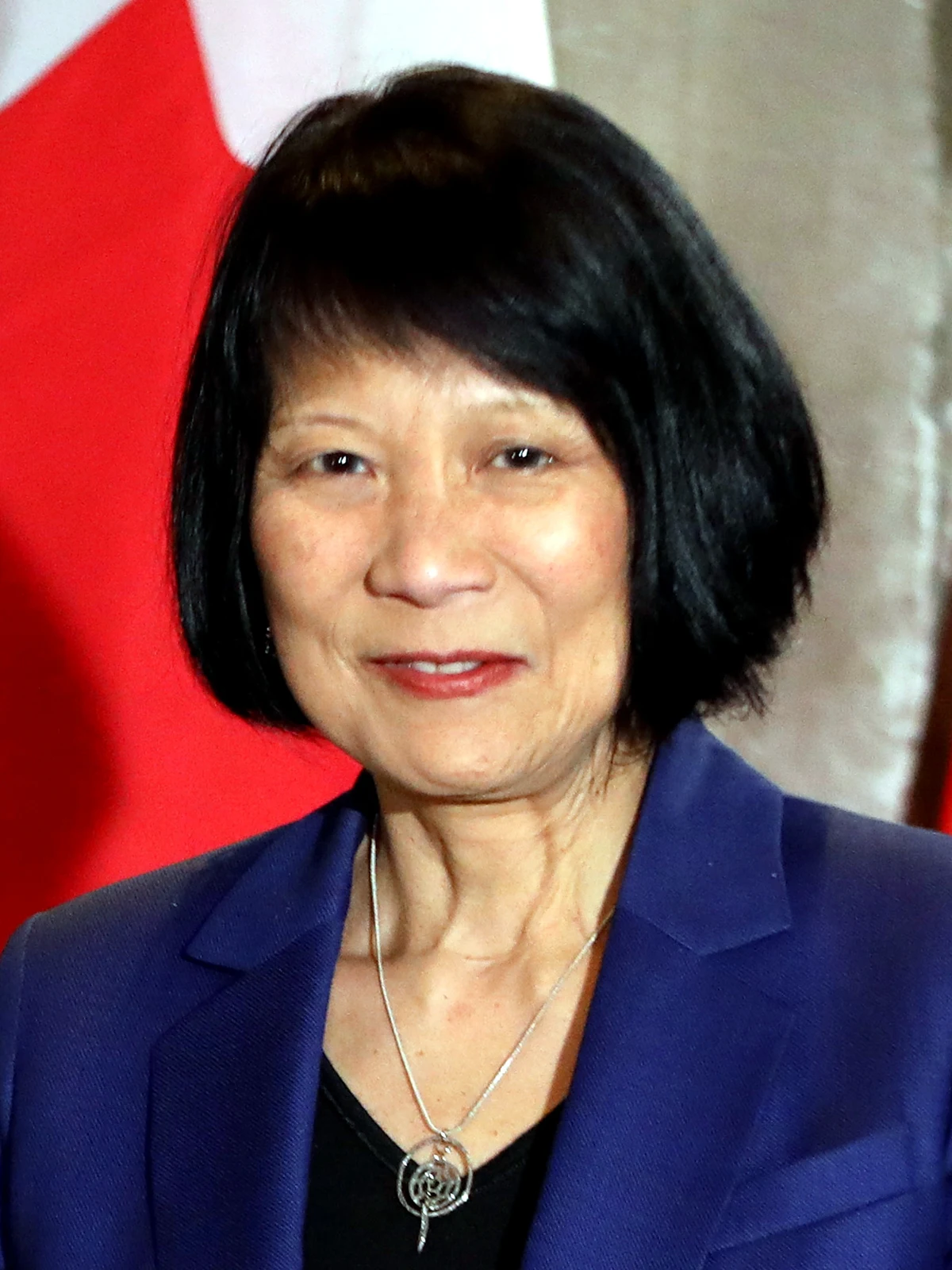
Photo: Toronto Mayor Olivia Chow in March 2024 (file photo).