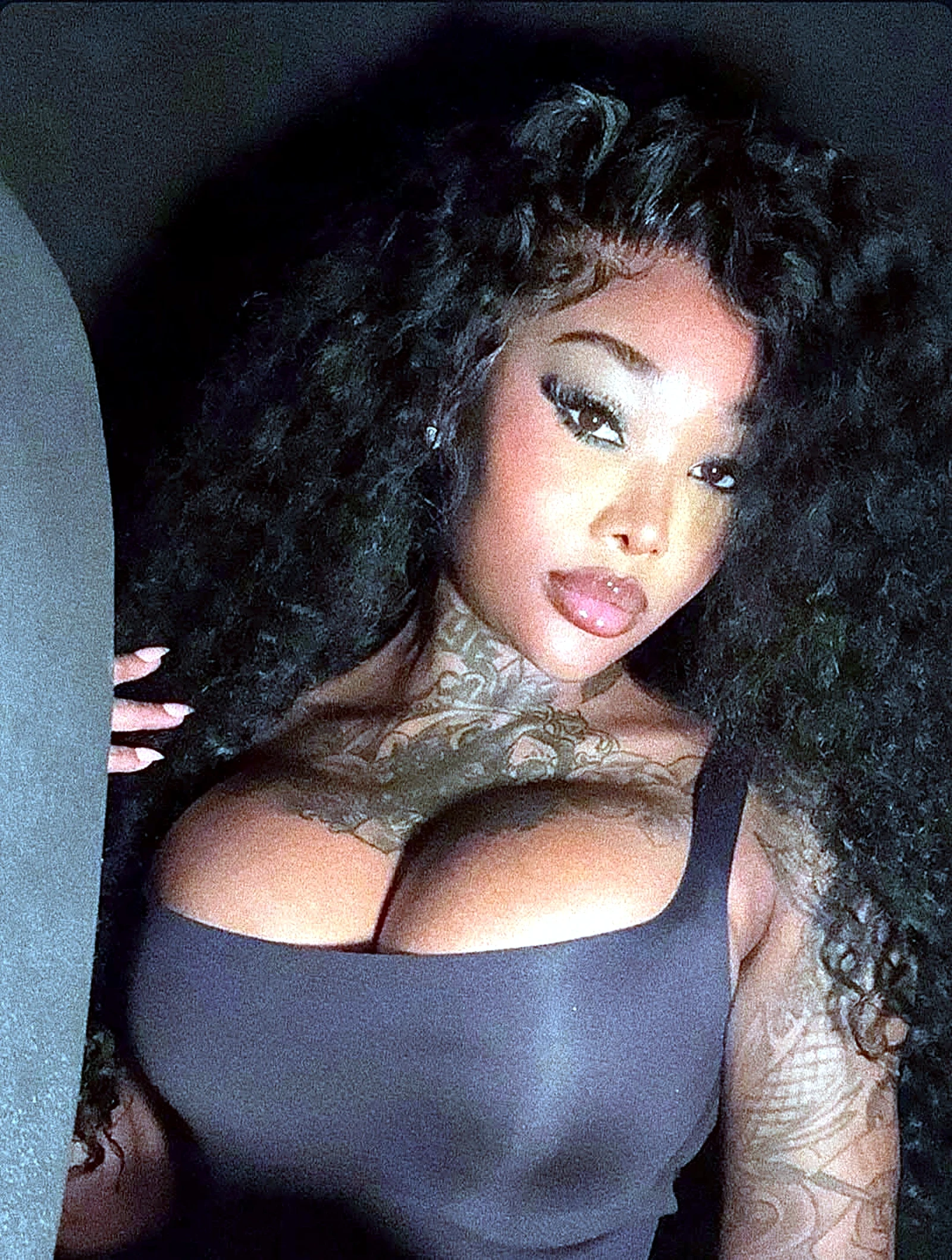
Summer Walker has fired back at Interscope Records — and the fight is now over who owns the content she makes herself.
The R&B singer filed a countersuit on Wednesday, November 18, 2026, in Los Angeles, seeking at least $20 million from Interscope, according to court documents reported by Billboard. Walker alleges the label breached her 2017 recording agreement and was unjustly enriched by monetising independently created material — videos, social content and assets tied to her personal YouTube channel — that she says was never granted to the label.
Her argument is about the boundary of the deal. The 2017 agreement, her filing says, gave Interscope limited rights to use her name, image and likeness for promotional purposes; it did not confer unrestricted ownership or monetisation rights over digital content she created independently. Alongside the $20 million, she is seeking an accounting and the recovery of profits the label allegedly earned from the disputed material, and a declaration that the agreement became unenforceable after she invoked California's seven-year rule — Labor Code §2855 — in August.
Her attorney, Keith Moten, told Billboard that Walker approached the relationship in good faith and appreciates the role the label played in her career, but that the relationship does not give Interscope unlimited rights over her creative work or the revenue from it.
The countersuit answers a much larger claim going the other way. Interscope sued Walker in October for at least $50 million, arguing she has delivered only three of the five albums it says the 2017 deal requires. That is the label's position, stated in its own filing; no court has ruled for either side, and every figure in this story is a claim in a pleading, not a finding.
Why it matters: the case is bigger than one contract. For a generation of artists, the personal channel — the self-shot video, the social post, the YouTube upload — is a second catalogue sitting beside the albums. Walker's countersuit asks a court to draw the line her contract allegedly drew: the label bought rights in her music, she says, not in everything she creates.