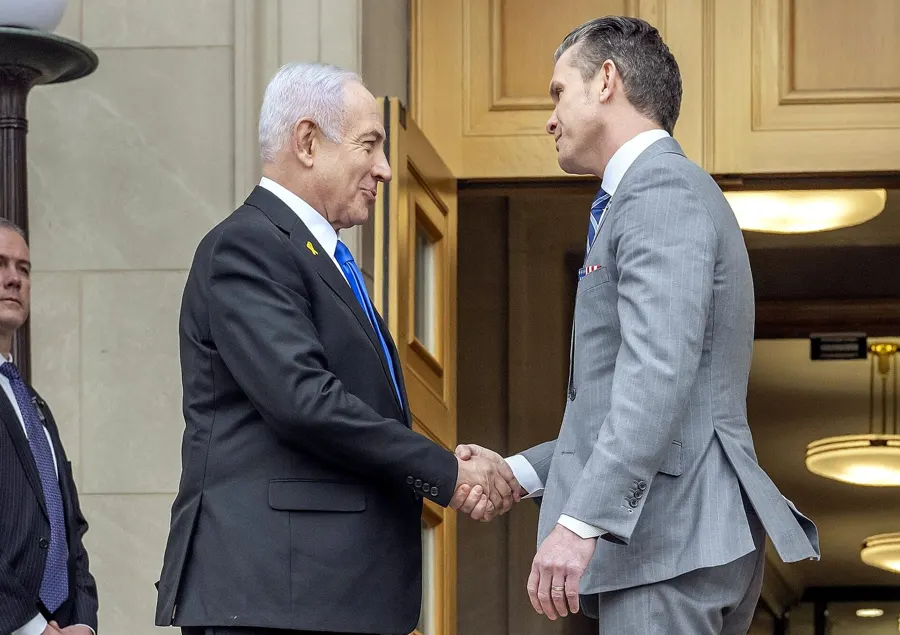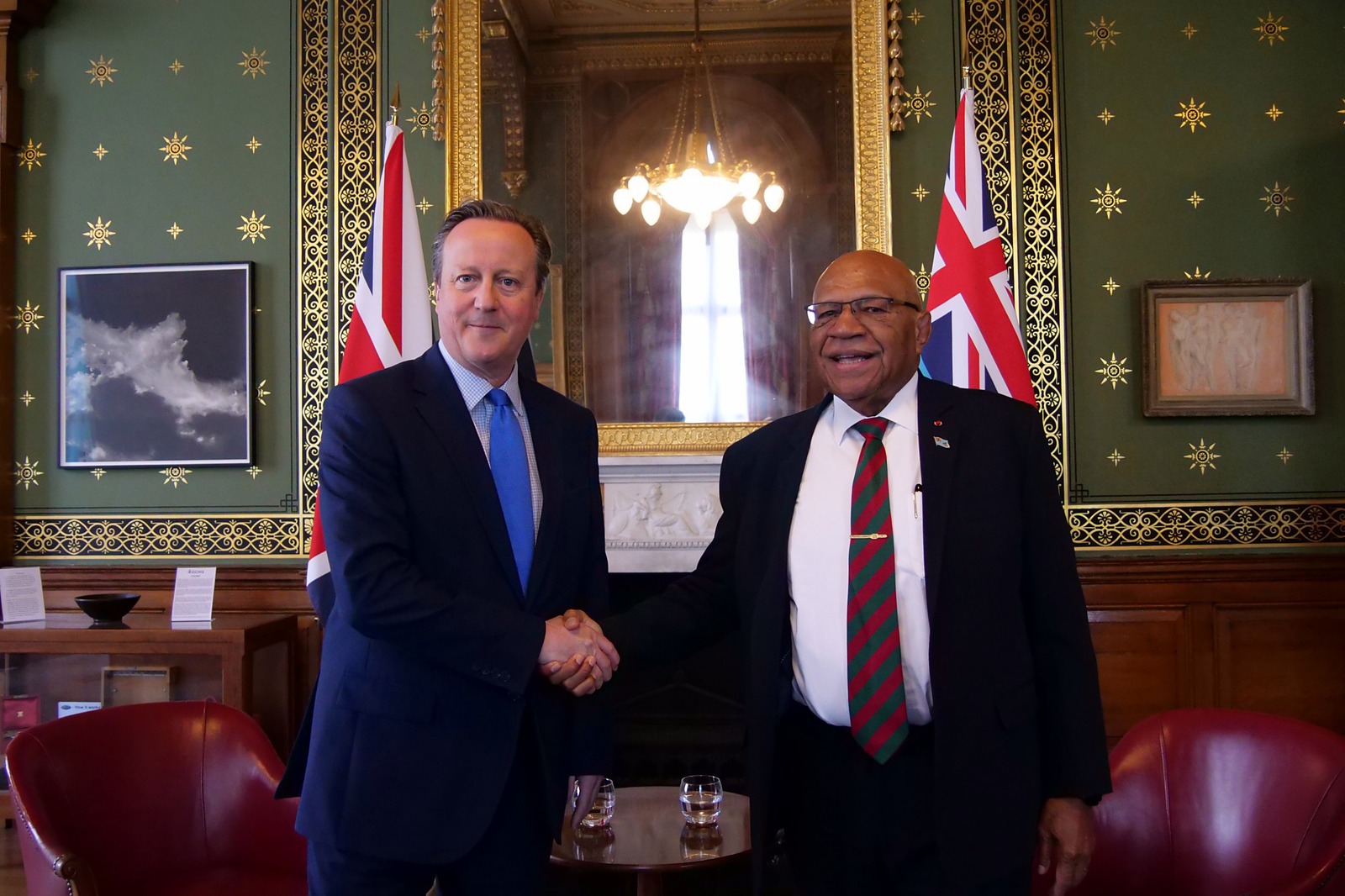
Fiji and Australia's Vuvale Union and Ocean of Peace Alliance entered into force on Thursday, November 26, 2026, in Suva, Fiji, making the Veitacini Treaty Fiji's first-ever alliance and committing both countries to act together against an armed attack in the Pacific.
The milestone came in a joint statement from Australian Prime Minister Anthony Albanese and Fiji Prime Minister Sitiveni Rabuka. "These landmark agreements open a new chapter in our strategic partnership," Rabuka said, in remarks carried by Fiji's MaiTV.
Two agreements, two different jobs. The Vuvale Union is the broad one: a multi-generational commitment to closer cooperation across the two countries' economies, security efforts and peoples, guided by what the joint statement calls the principles of durability, sovereignty and regionalism, and underpinned by genuine partnership, close consultation and mutual respect. The Ocean of Peace Alliance, known as the Veitacini Treaty, is the hard-security one: a formal alliance, the highest form of defence commitment either country can make to another.
Under the alliance, both countries acknowledge that an armed attack on either Fiji or Australia within the Pacific would endanger their own peace and security as well as the security of the Pacific, and declare that they would act to meet the common danger, in accordance with each country's domestic processes. The alliance is also open to other Pacific nations joining, by agreement of the existing parties.
The road here ran about 17 months. Rabuka first proposed elevating the existing Fiji-Australia Vuvale Partnership to treaty level on July 2, 2025, at the National Press Club in Canberra, according to Australia's Department of Foreign Affairs and Trade. The two leaders agreed that September to pursue it, and on July 6, 2026, Albanese and Rabuka signed both treaties at State House in Suva, in the presence of Fiji's President, Ratu Naiqama Lalabalavu. Thursday's entry into force is the step that makes both agreements operative rather than signed intentions.
Implementation is where the Vuvale Union will be tested. The joint statement commits both governments to move swiftly, naming investments to combat transnational crime and illicit drugs, strengthen healthcare and infrastructure, and build economic security, alongside deeper people-to-people links through education, skills, sport and enhanced mobility. Australia's foreign affairs department puts the backing behind the Union at more than AUD 1 billion in new investment over a decade. Two new mechanisms will run the work: an officials-level body called the Vuvale Bukmak — Bukmak is a Yolŋu Matha word meaning "everyone together" — and a ministerial-level Vuvale Forum, which MaiTV reports is expected to be established in the first half of 2027 and will also bring in traditional and cultural leaders, and religious, community and business groups.
The alliance did not come from nowhere. Rabuka pointed to more than a century of shared military history, including Fijian service alongside Australian forces in the First World War, cooperation in the Second World War, and joint peacekeeping since Fiji's independence in 1970. "An alliance is the highest act of trust between two nations," he said. It was Fiji that first proposed the alliance, the joint statement notes — a point both governments underline, because it frames the pact as a Pacific initiative rather than one drafted in Canberra. At the July signing, the Associated Press framed the deal as a diplomatic win for Albanese in Australia's wider contest with China for influence in the South Pacific; neither government used that framing on Thursday, and both statements instead tied the treaties to the Pacific Leaders' Blue Pacific Ocean of Peace Declaration, which the agreements are meant to put into practical effect.
The limits are written into the deal itself, and they matter. The mutual-defence declaration is qualified by each country's domestic processes — it is a commitment to act, not an automatic war trigger. The Vuvale Union's own stated principles put sovereignty first, and accession to the alliance requires the agreement of both existing parties. What neither document does is create a standing joint force or a timetable beyond the forums planned for 2027.
Why it matters: this is the first alliance Fiji has ever entered, with any country, and it converts a close Pacific partnership into a treaty-level security commitment at a moment when every major power is courting the island states. For Fiji, it locks in a decade of Australian investment and a defence guarantee. For Australia, it anchors its most important Pacific relationship in law. And because the alliance door is explicitly open to other Pacific nations, Thursday's entry into force may be the first signature on a wider Pacific security architecture — or the high-water mark of one. The 2027 forums are where that question starts getting answered.