Ontario's public high school teachers have handed their union one of the strongest mandates in the province's education system. Members of the Ontario Secondary School Teachers' Federation (OSSTF) voted 96 per cent in favour of a strike mandate, with the result announced on Tuesday, November 17, 2026, in Toronto, Ontario, and carried on CTV News Toronto's 6:00 p.m. local newscast. The federation's education worker members — education assistants, library workers, custodians and school safety monitors — voted 92 per cent in favour in their own ballot. The online vote ran from November 6 to 16.
The numbers land before the real fight has even started. Teachers across Ontario have been without a contract since their agreements expired in August, and central bargaining has not fully begun — negotiations are set to start next week. Substantive talks were delayed while the government and the major education unions disagreed over which issues belong at the central table and which stay with local unions and school boards, a dispute that has gone to the Ontario Labour Relations Board.
OSSTF president Martha Hradowy said in a statement that members have sent the government a message that they are united and prepared to stand together for better working conditions.
What the vote does not do is close a single school. A strike mandate is not a strike: additional legal steps are still required before any job action could take place, and no strike date has been set. The result is leverage — the union now negotiates knowing its members have already authorized it to escalate if the table fails.
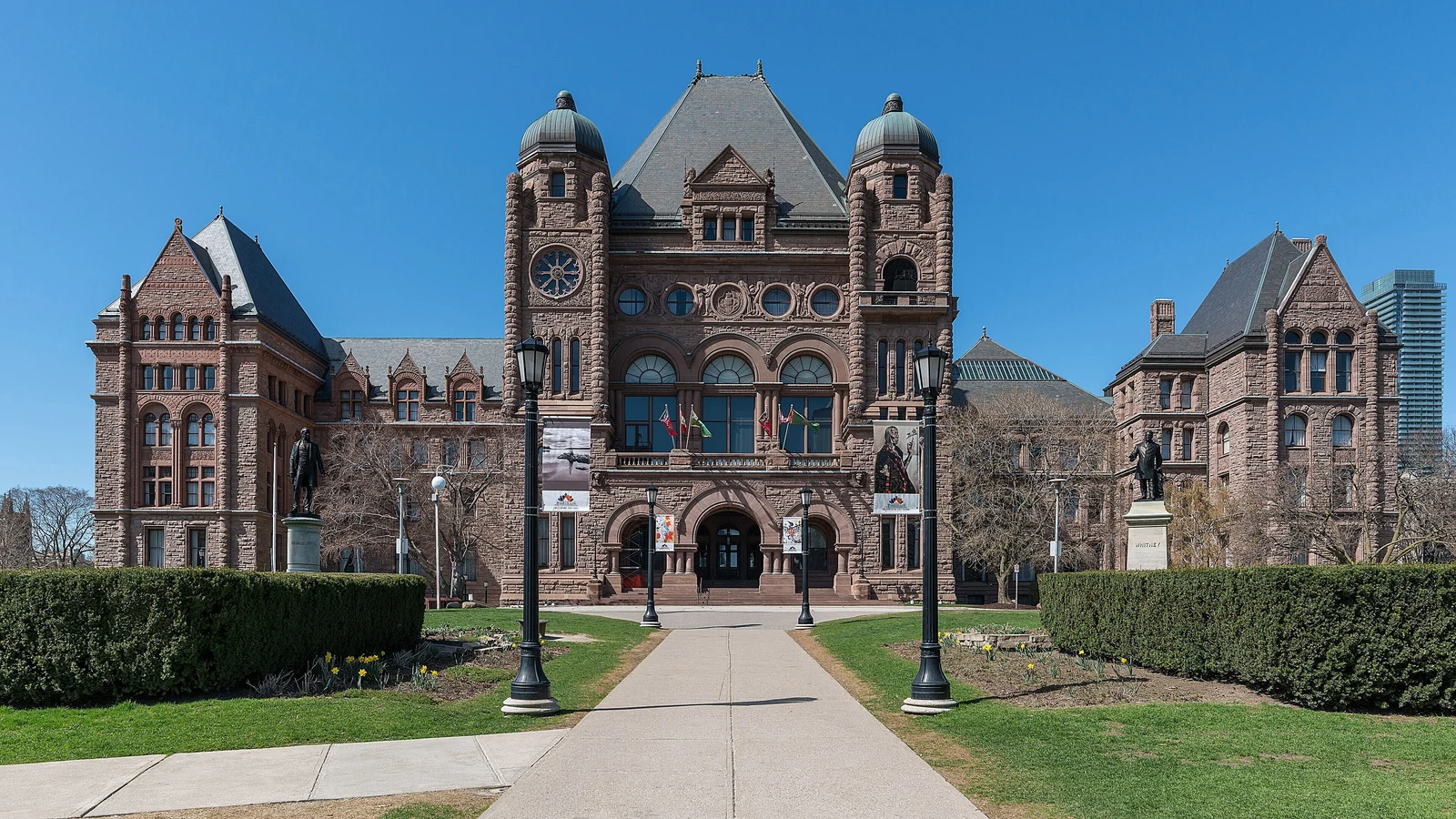
The government, for its part, is publicly shrugging. Education Minister Paul Calandra, speaking to reporters at Queen's Park on Tuesday, said of the lopsided results: "These numbers aren't surprising or shocking to me. It didn't stress me out yesterday. It doesn't stress me out today." He added, "I'm optimistic — we have many months of negotiating ahead of us," said teachers remain protected by their former contract, and argued the government is not the one delaying talks: "The unions have taken it to the Ontario Labour Relations Board. We are open for negotiations. We have been negotiating all summer with them."
Opposition leaders read the same numbers the opposite way. Ontario NDP Leader Marit Stiles said Calandra is "delusional" if he thinks parents, students and teachers are content with the current system, and that the results say "this minister has failed." Interim Liberal leader John Fraser said there is "a lot of blame to go around" in the government, pointing to class sizes and special education, and Green Party Leader Mike Schreiner said the vote tells the minister to "actually properly fund education."
The OSSTF result follows a separate 98 per cent strike-mandate vote by Ontario's English Catholic teachers, announced a day earlier — a different union and a different bargaining table, and the second straight day Ontario's education labour standoff has produced a near-unanimous mandate.
Why it matters: for Ontario families, nothing changes tomorrow — schools are open and no strike is called. What changed is the temperature. Two near-total mandates in two days mean the province heads into next week's bargaining with unions that have already done the hardest part of a strike: convincing their own members. Whether that pressure produces a deal or a countdown is now the story of the school year.
Sources: The Canadian Press (vote results, Hradowy statement, Calandra, Stiles, Fraser and Schreiner remarks at Queen's Park, bargaining background); CTV News Toronto at Six, November 17, 2026 (6:00 p.m. local broadcast); OSSTF/FEESO member materials (online vote November 6–16, mandate-is-not-a-strike wording).