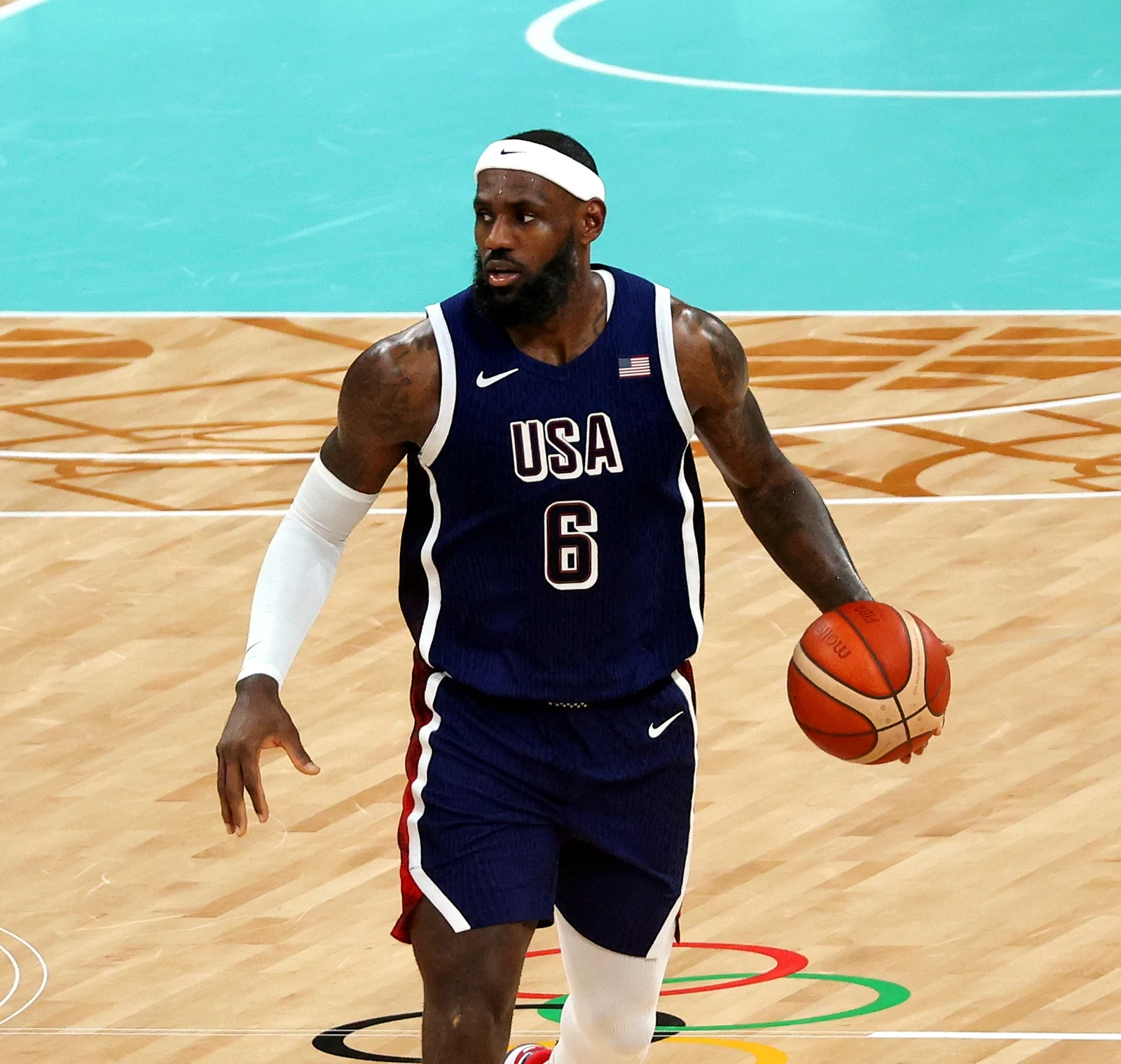
LeBron James is taking an AI betting app to federal court over an advertisement he says was built to look and sound like him — without his permission.
James and LBJ Trademarks LLC filed suit on Tuesday, November 17, 2026, in the U.S. District Court for the Southern District of New York (Case No. 1:26-cv-10078) against PlayVision Inc. and its co-founders, Anish Gupta and Marc Zoghby. The complaint alleges the company used an AI-generated lookalike of James — his build, his tattoos, a synthesized version of his voice and a No. 23 jersey carrying his "Bron" nickname — in ads that showed the figure scrolling NBA wagers.
According to the complaint, the ads were viewed roughly one million times, and they kept running after James's side sent a cease-and-desist on November 5. The suit alleges the campaign falsely implied that James endorsed PlayVision and NBA betting, and it seeks an injunction stopping the ads, plus the company's profits from them and damages, including punitive damages.
These are allegations in a complaint, not findings by a court. PlayVision has not filed defences in the sources reporting the case, and no judge has ruled on any part of it. BIA808 is reporting what the filing claims, in the filing's own terms, and will update this story if PlayVision responds in court or in public.
The case lands in the middle of a wider fight over AI likenesses in sports marketing. A synthesized voice and a generated face can now be produced cheaply enough to build a full ad around a star who never sat for it — and the legal question this suit puts in front of a federal judge is where promotion ends and misappropriation begins when the "spokesperson" never existed in the room.
Why it matters: James is not a fringe test case. He is the most recognisable active player in the NBA, and a ruling either way would set the practical terms for every AI-generated endorsement that follows — for athletes, for betting companies, and for any brand tempted to synthesise a famous face instead of paying for it.