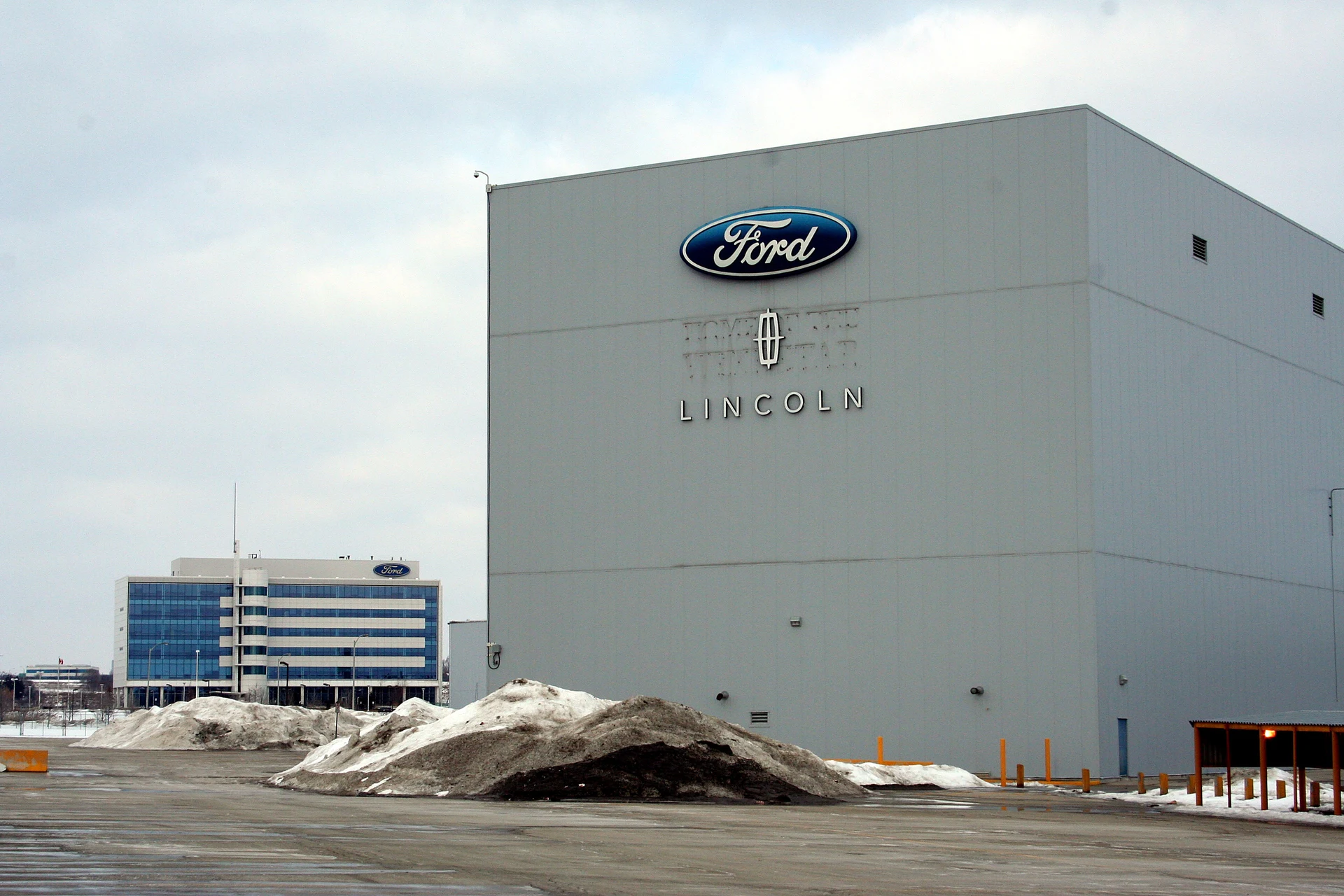
Oakville, Ontario — Ford officially reopened its Oakville Assembly Complex on Friday, November 20, 2026, at a relaunch ceremony scheduled for 11:00 a.m. ET, with F-Series Super Duty trucks rolling off the assembly line, proudly built by Unifor Local 707 members. The ceremony, hosted by Ford of Canada, brought workers together with Unifor National President Lana Payne, Ford of Canada President and CEO Bev Goodman, federal ministers Mélanie Joly and Anita Anand, and Ontario Premier Doug Ford.
"This is truly a day of celebration," Payne said at the official reopening, calling what happened in Oakville "nothing short of an industrial rebirth." Goodman put the scale plainly: "With the nearly $5 billion of investment, we have transformed this plant to build one of Ford's most important vehicles, the F-Series Super Duty. We made that investment because we believe in this workforce. We believe in Canadian manufacturing."
The road back was not straight. The Oakville Assembly Complex was idled in May 2024 for a major retooling originally intended to prepare the facility for electric vehicle production. Ford later pivoted the plant to Super Duty production, announcing the plan in July 2024 with capacity for up to 100,000 additional units a year and nearly 2,000 jobs at the facility. The retooled complex includes a new stamping plant — stamping body panels for Super Duty trucks was previously done only in the United States — and the trucks use 7.3-litre V8 engines built by Unifor Local 200 members in Windsor and Essex. Ottawa is contributing $464.5 million through its Strategic Response Fund toward the nearly $5 billion project, and Ontario is contributing $464 million. The Government of Canada says the project protects more than 2,000 jobs at the complex, and Ford has already begun shipping trucks — the F-250, F-350 and F-450 — two weeks ahead of schedule.
The relaunch lands in the middle of a trade war that has battered Canada's auto sector, which is part of why every speaker framed the day as bigger than one plant. Oakville's production now supplements Ford's Super Duty plants in Kentucky and Ohio, supplying the North American market and export markets around the world.
Why it matters: for roughly two years, Oakville was a shutdown story — an EV plan that stalled and a workforce waiting. It is now a working truck plant with about 2,000 people back, a stamping operation Canada did not have before, and a product at the profitable heart of Ford's lineup. Whether it stays that way depends on demand and on trade policy neither Ford nor Unifor controls, but on Friday the line was running, and that was the point.