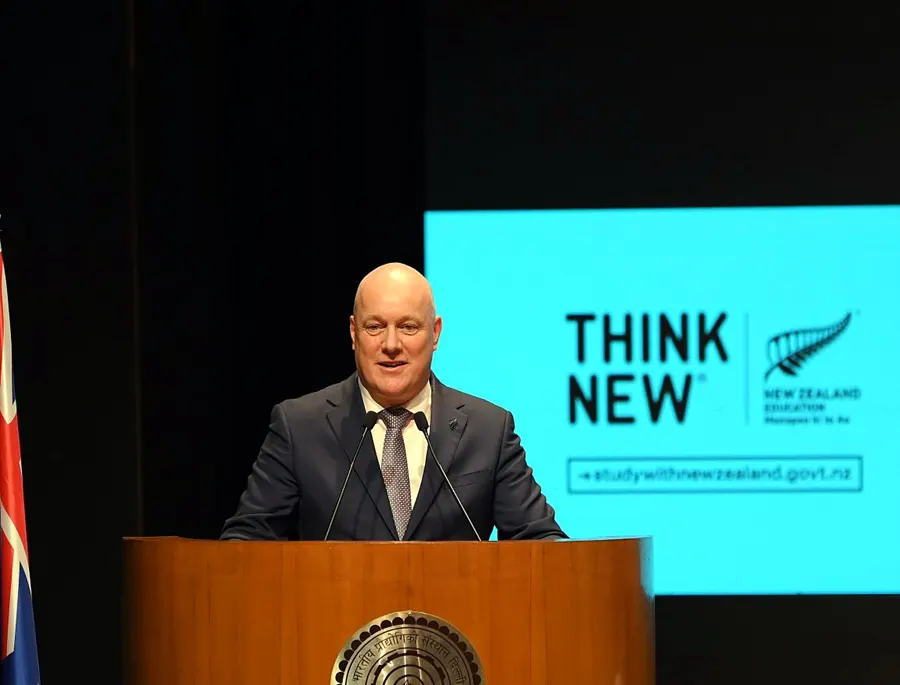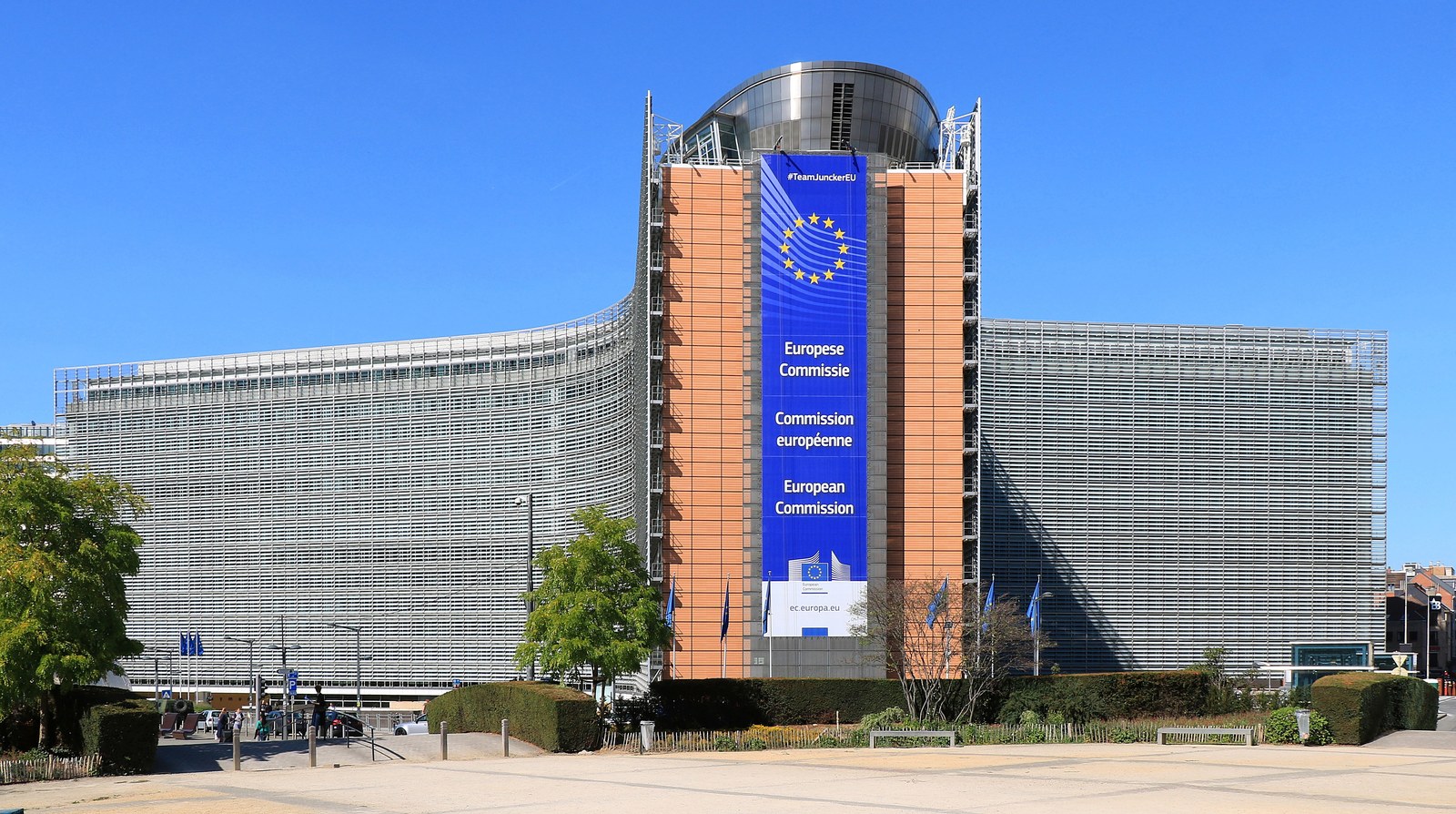
European Union leaders came to Brussels to settle how the bloc spends its money for the rest of the decade and who pays for Ukraine's next lifeline. They left on Thursday night with neither question answered.
The extraordinary summit, chaired by European Council President Antonio Costa, ended on November 26 without agreement on the EU's 2028-2034 long-term budget and without a final decision on a proposed additional 45 billion euro loan for Ukraine in 2027. Both files now roll into December, with the next European Council scheduled for December 17-18 and a year-end deadline pressing on the budget talks.
The Ukraine loan came closest to landing. Twenty-four of the EU's 27 member states backed the proposal, Costa confirmed after the meeting. Bulgaria said it would take part only in the non-military portion of the package, with a focus on regions where its national minority lives. Hungary, Slovakia and Czechia — which have previously opposed contributing to additional financing for Ukraine — did not join the majority, and because the loan has not been formally approved, not a euro of it has moved.
The numbers explain why Kyiv is watching Brussels so closely. The European Commission proposed the loan on November 18: up to 45 billion euros for 2027, split between up to 25 billion for military support and up to 20 billion to keep the Ukrainian government's budget running. Ukraine's estimated funding gap for the year is 70 billion euros, so the loan would cover roughly 64 per cent of it. The money would be raised on capital markets through EU bond issuance, backed by the headroom in the EU's own-resources ceiling, and it would sit on top of — not inside — the 90 billion euro Ukraine Support Loan programme already agreed for 2026 and 2027.
The budget fight is the bigger knot. The Commission proposed a budget of nearly 2 trillion euros for 2028-2034 in July. Adopting it requires unanimity among all 27 member states, plus the European Parliament's consent. According to Costa, most member states do not support further reductions, while a substantial group is demanding that funding for the Common Agricultural Policy and cohesion policy — the money that flows to farmers and poorer regions — be protected. Leaders also failed to agree on new EU own resources, the revenue streams, linked to the Emissions Trading System and the Carbon Border Adjustment Mechanism, that are meant to limit how much extra member states must contribute directly. Debt raised to finance the post-pandemic recovery programme also has to be repaid out of the next budget, squeezing every line.
The other side of the table is not a single voice. The states resisting new Ukraine financing have argued against open-ended commitments, and the states resisting budget cuts are defending programmes their own voters depend on. What Thursday showed is that those two arguments have become one negotiation: support for Kyiv and the size of the whole EU budget are now being traded in the same room.
Why it matters: Ukraine's 2027 funding gap does not wait for Brussels procedure. Every month the 45 billion euros stays a proposal rather than a programme, Kyiv's planners are budgeting around a hole equal to nearly two-thirds of their expected shortfall — and the December summit is now the last scheduled chance this year to close it.
Sources: European Council President Antonio Costa's remarks following the special meeting (Nov 27, 2026), via Poland Insight / ManagerPlus; European Commission proposal for additional financial support for Ukraine (Nov 18, 2026); EuropeSays summit report; UNITED24 Media citing Radio Liberty; Komersant Ukrainian. Photo: EmDee / Wikimedia Commons, CC BY-SA 4.0.