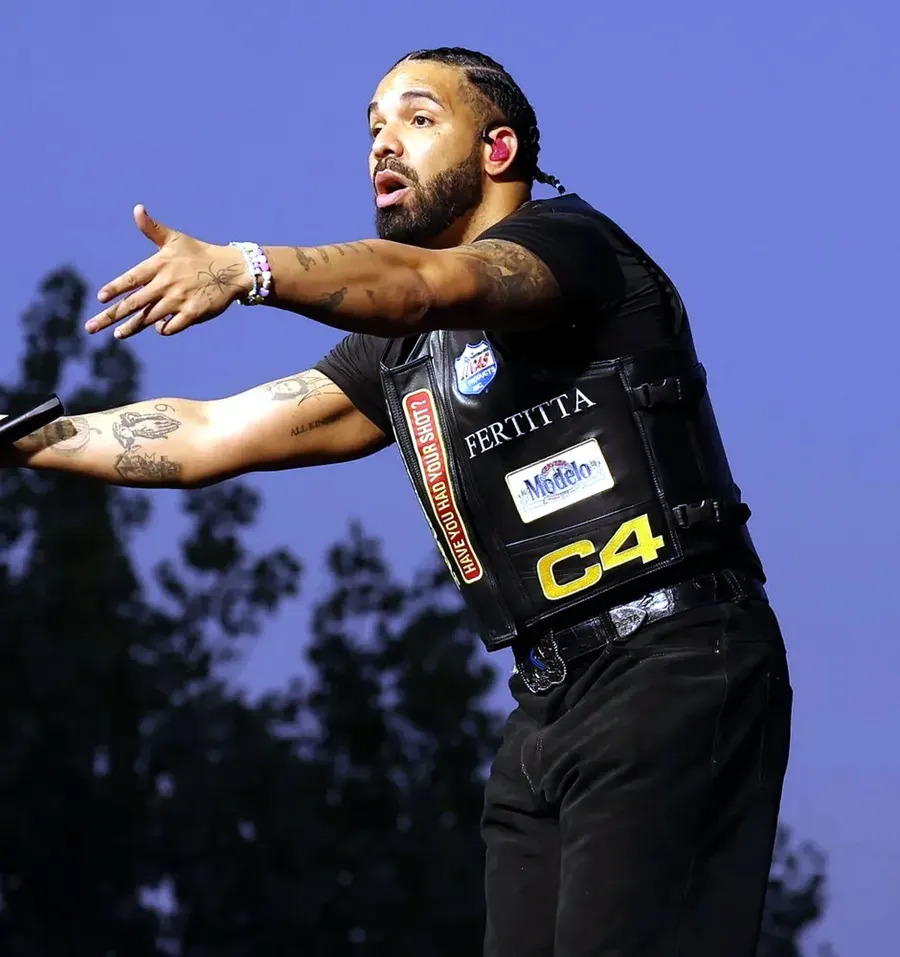
Ann Arbor, Michigan — A federal judge has thrown out a surveillance lawsuit against Drake, Nicki Minaj, Lil Wayne and Cash Money Records, ruling in a November 10, 2026 order that the complaint was frivolous and lacked any arguable basis in fact or law.
U.S. District Judge Judith E. Levy of the Eastern District of Michigan dismissed the case without prejudice in Colbert v. Cash Money Records, Inc., a pro se lawsuit filed September 28, 2026 by Europe R. Colbert of Warren, Michigan, and amended on November 3. Because Colbert was allowed to proceed without prepaying court fees, the case went through the mandatory screening federal law requires for such filings — and it did not survive it.
In the amended complaint, Colbert alleged that surveillance devices and hidden cameras had been covertly installed inside his Warren residence and that his private communications had been commercialised in music released in 2025 and 2026. The defendants named included Cash Money Records and its leadership, Bryan "Birdman" Williams, Ronald "Slim" Williams, Dwayne Carter Jr. (Lil Wayne), Aubrey Drake Graham (Drake), Onika Tanya Maraj-Petty (Nicki Minaj) and Limp Bizkit, among others. The claims ranged across the Lanham Act, the Federal Wiretap Act, civil RICO, defamation per se and conspiracy, and the relief sought included a public retraction and treble damages under RICO.
Those were the plaintiff's allegations, and the court treated them as exactly that. Levy noted a telling gap in the filing itself: the complaint relied on an Exhibit A that, in the court's words, is not attached to the amended complaint, the original complaint, or anywhere else on the docket as far as the court could discern. "The Court concludes that Plaintiff's complaint is frivolous because it lacks an arguable basis in fact or law," the order reads, dismissing the case under 28 U.S.C. § 1915(e)(2)(B) and holding that any amendment would be futile. The court also refused to let an appeal proceed without prepayment, certifying that an appeal could not be taken in good faith.
Why it matters: none of the artists had to file a word for this case to end. Screening dismissals are the legal system's filter for claims that name famous defendants without a factual foundation, and this one is a clean example — a headline-sized defendant list, a missing central exhibit, and a case closed by a judge before it ever became one.