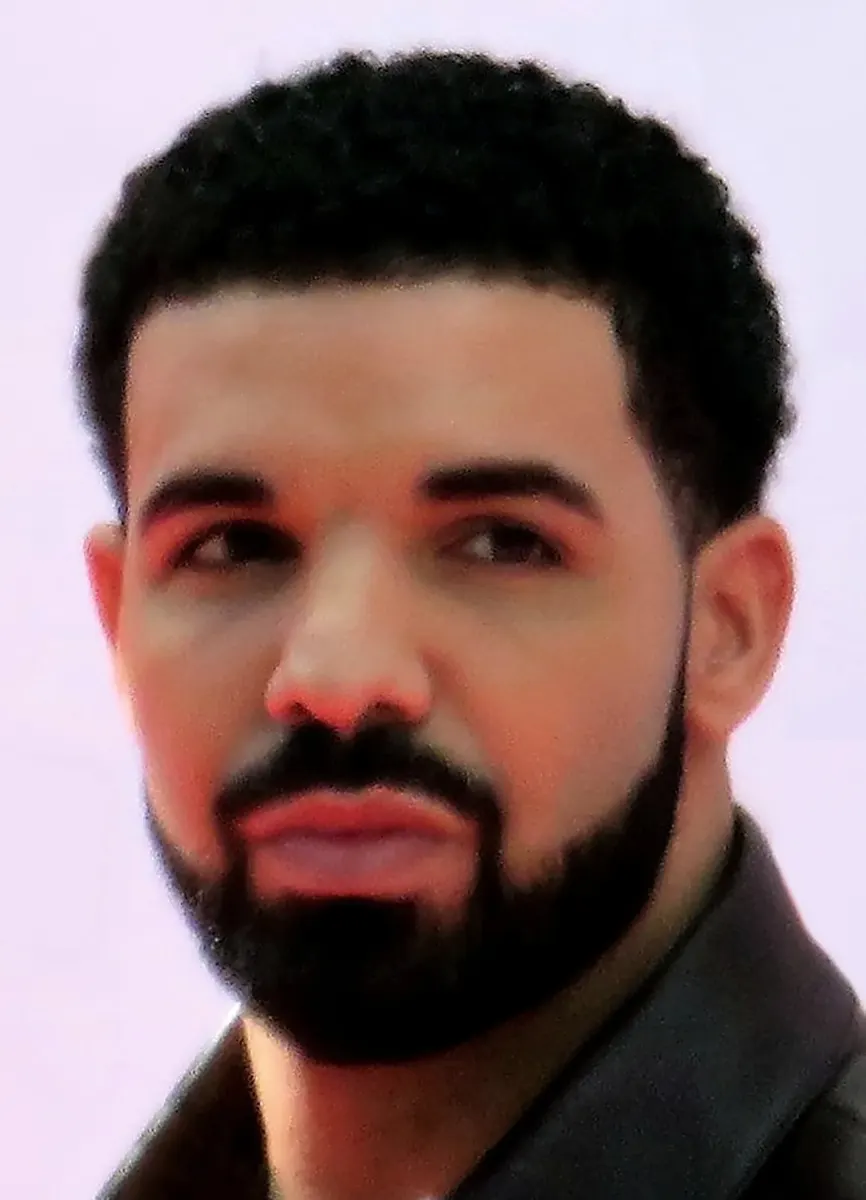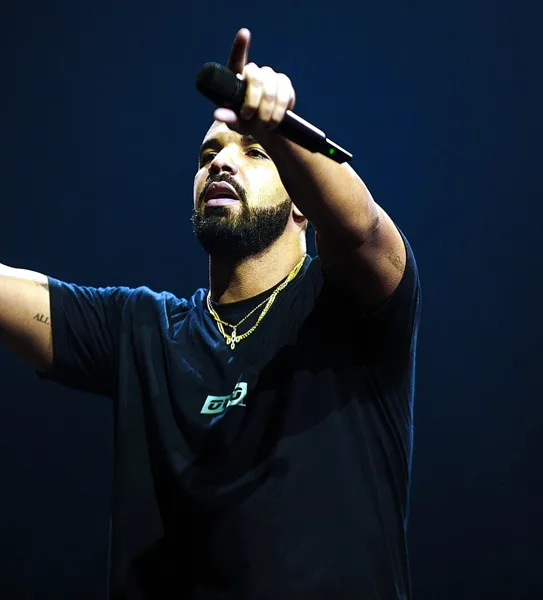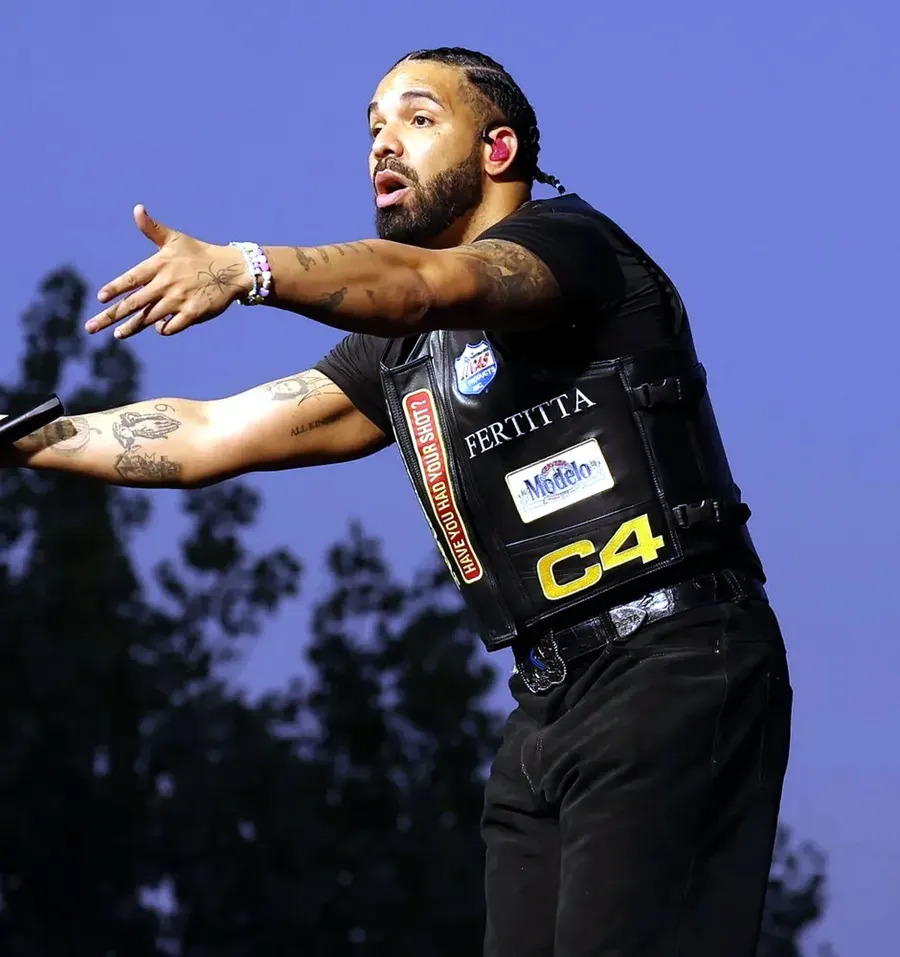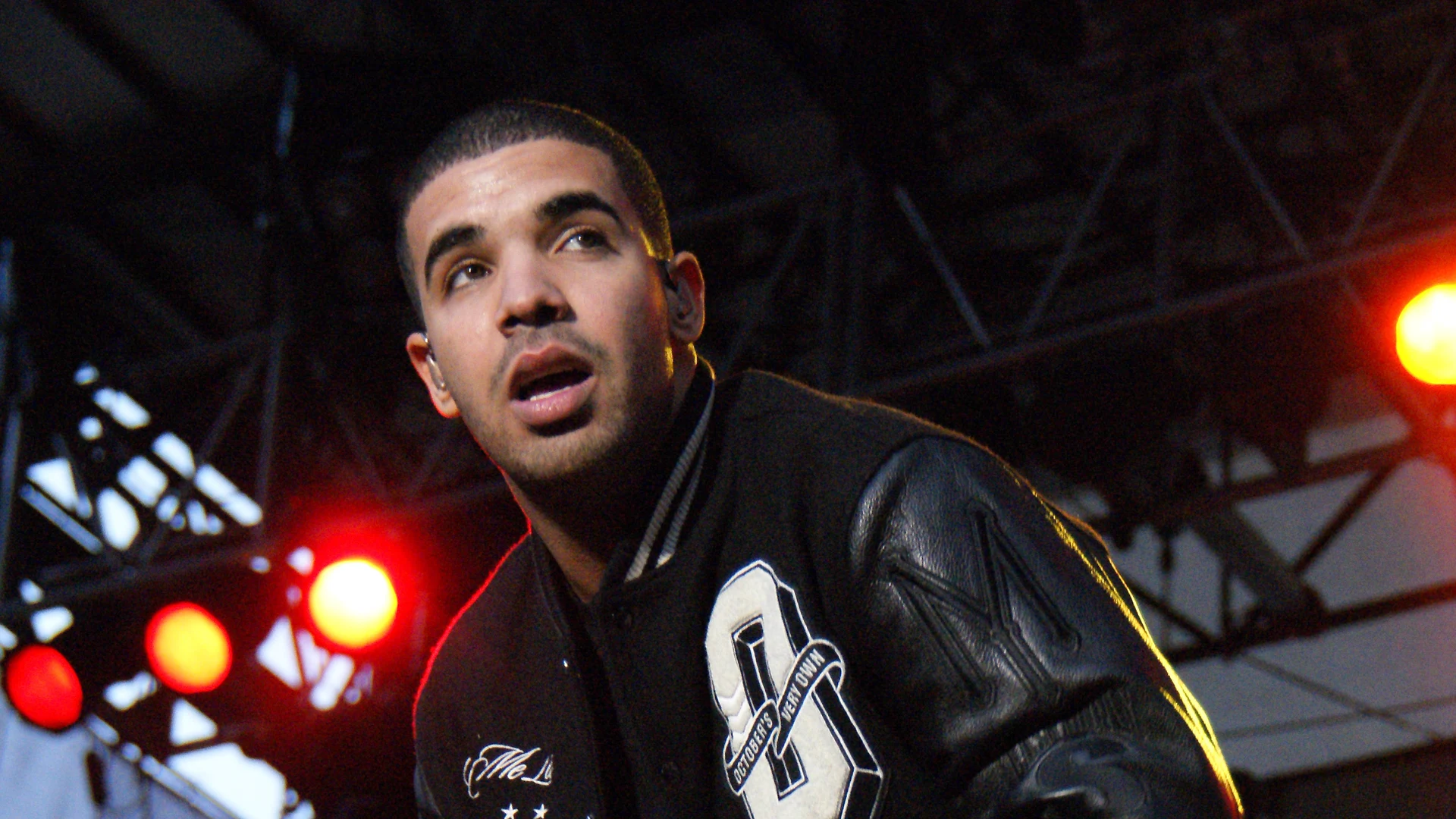
Drake has weighed in on the biggest chart-rules fight of the year — in five words.
On Wednesday, November 11, 2026, Drake reposted a screenshot of the news that YouTube streaming data will count toward Billboard's charts again to his Instagram Story (@champagnepapi) and added his own review of the system: "Wtf this game so cooked," with a shocked-face emoji. He did not spell out which part of the change he was objecting to, and he did not accuse anyone of rigging the rankings — the post is a reaction, and that is all it is.
The change he was reacting to had been announced two days earlier. On Monday, November 9, Billboard unveiled a new album-chart formula, and YouTube confirmed the same day that it will return its data to Billboard's U.S. charts starting in 2027. YouTube's global head of music, Lyor Cohen, said in the company's announcement: "We are returning to the Billboard charts starting in 2027. Billboard's new methodology better reflects how fans engage with music today across both subscription and ad-supported services."
The timeline matters. YouTube stopped delivering its streaming data to Billboard after January 16, 2026, arguing that Billboard's formula undervalued free, ad-supported listening by weighting paid subscription streams far more heavily. Under the formula in place through 2026, it took 2,500 ad-supported streams of an album's tracks to equal one album consumption unit, while 1,000 paid subscription streams equalled the same unit.
The new math narrows that gap without closing it. Starting with the Billboard 200 and genre album charts dated January 16, 2027 — built on listening from January 1 to 7, 2027 — one album unit will equal 1,500 ad-supported streams or 1,000 paid subscription streams. A paid stream will still count for more, but a free stream will be worth about two-thirds of a paid one instead of 40 percent. Billboard has said the adjustment follows its annual review of streaming revenue data with its chart data partner, Luminate. The change governs chart counting only — it does not change the royalty rates artists are paid by streaming services.
Why it matters: the Billboard charts are the scoreboard the whole industry argues from — No. 1 debuts, record streaks and "biggest first week" claims all run on this formula. Re-admitting the world's biggest free music platform, at a higher weight than it ever had, will move those numbers for everybody, especially artists whose audiences live on YouTube rather than paid subscriptions. Drake, whose own catalogue is one of the most-streamed in chart history, calling the game "cooked" the week the rules were rewritten is the debate now running through the industry: does a freer count make the chart more honest, or does it just move the goalposts again?
Billboard and YouTube have presented the change as a correction that better reflects how fans actually listen. Drake has not elaborated beyond the Story post, and neither Billboard nor YouTube has responded to his reaction.
Sources: Drake's Instagram Story (@champagnepapi, November 11, 2026); Billboard's methodology announcement and YouTube's return announcement (Lyor Cohen, November 9, 2026), as reported by XXL, HotNewHipHop, Baller Alert, Engadget, Music Times and The Source.