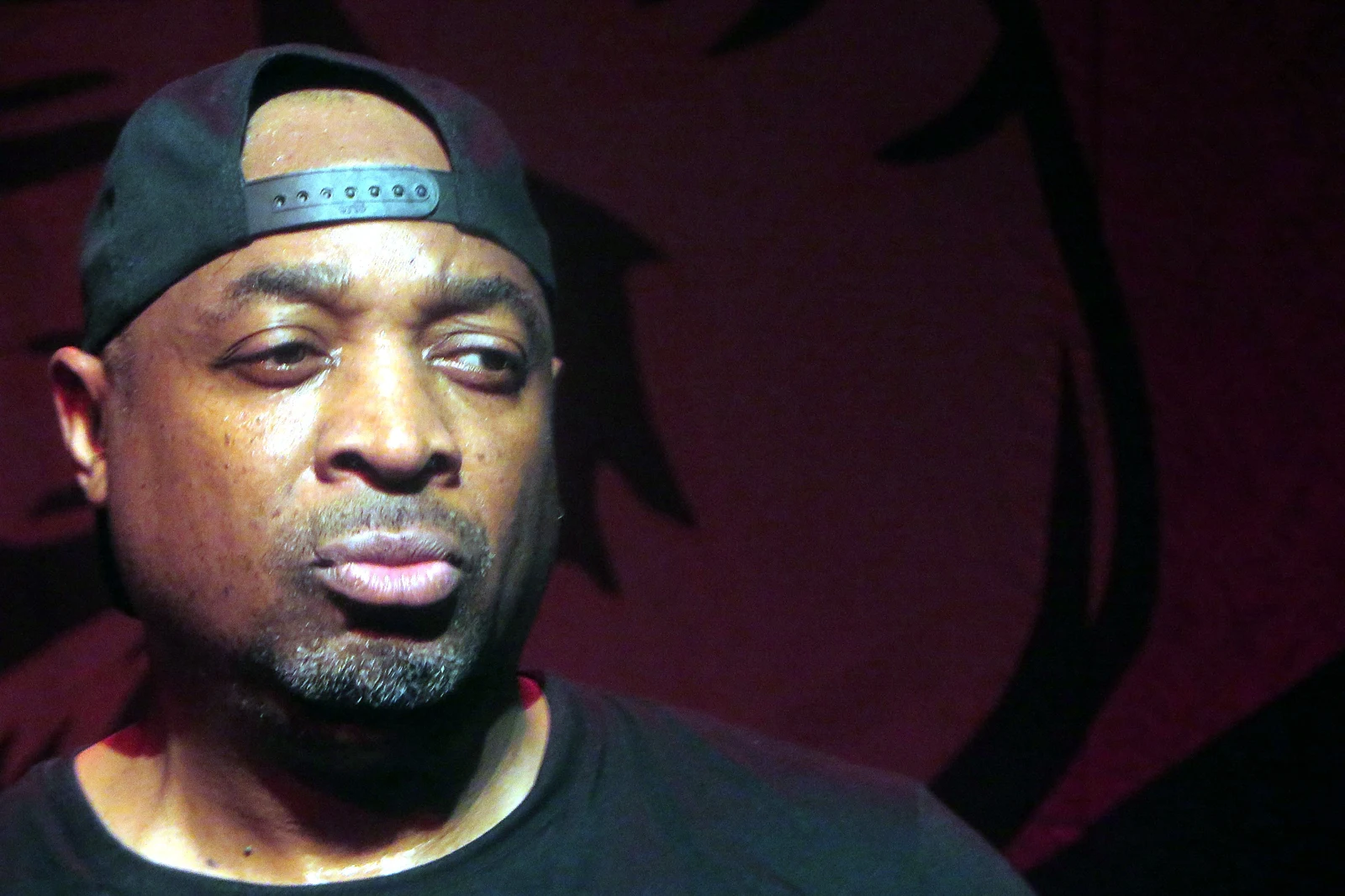
Chuck D has a comparison for Drake that set the timeline arguing all weekend, and the Public Enemy frontman has now spelled out exactly what he meant by it: Drake, he says, is "unquestionably the Elton John of Rap" — and no, it is not a diss.
The line landed on X on November 21, 2026. "I experienced the 1970s … @Drake is unquestionably the Elton John of Rap," Chuck D wrote. Coming from one of rap's most political voices — the man who fronted Public Enemy through "Fight the Power" — the Elton John name-drop was always going to travel. Plenty of readers heard shade in it. Chuck spent the replies that followed, on November 21 and 22, insisting they had it backwards.
Asked to narrow the comparison down, he gave the answer the whole exchange now turns on: "Popular relevance and cultural saturation." He was explicit that he was not comparing the two men's music. "Im not daft enough to exactly compare singing, piano performance and co written radio songs with a arena rapper with call and response performance songs," he wrote. "I know the idioms without being a idiot lol."
His case is about reach, not sound. Chuck grew up hearing Elton John everywhere at once. "So lets go back to 1971," he wrote. "I remember hearing Elton John Your Song…. To Croc … to Bennie to Philly freedom all over AM Radio all the time. Domination of the 70s." The point, in his telling, is that Elton's records escaped any single audience and simply saturated the culture — and that Drake's records do the same thing in a different era, with arena crowds who know the songs well enough to sing them back in call-and-response. "Do the @drake fans think it is a side swipe? It's not," he wrote. "Maybe its a learning moment eh?" In another reply he put it plainly: "I like them both and see similarities."
The pushback in his mentions was not only about Elton. When one fan argued Drake was past his prime, Chuck answered with a question of his own — "Whats a prime?" — and widened the argument: reputations keep changing after the fact, the way Jean-Michel Basquiat and Tupac Shakur are regarded with a different reverence now than in their own moment. People judging Drake today, he argued, are still living inside the years a later audience will look back on.
The chart picture gives his saturation argument some weight. On the Billboard 200 dated November 21 — the same day Chuck posted — Drake's Take Care, released in 2011, sat at No. 14 in its 715th week on the chart, with this year's Iceman one spot ahead of it. A fifteen-year-old album holding ground beside a brand-new one is close to a working definition of the staying power Chuck is describing.
Why it matters: comparisons like this usually get flattened into compliment or insult within an hour, but Chuck D refused both readings and made a larger point about how dominance actually works — not who sounds like whom, but whose records end up everywhere, for everyone, for years. Coming from a pioneer who fought to get rap onto the radio in the first place, the verdict carries weight either way. The timeline is still arguing. Chuck, by his own account, already said his piece: it was respect.