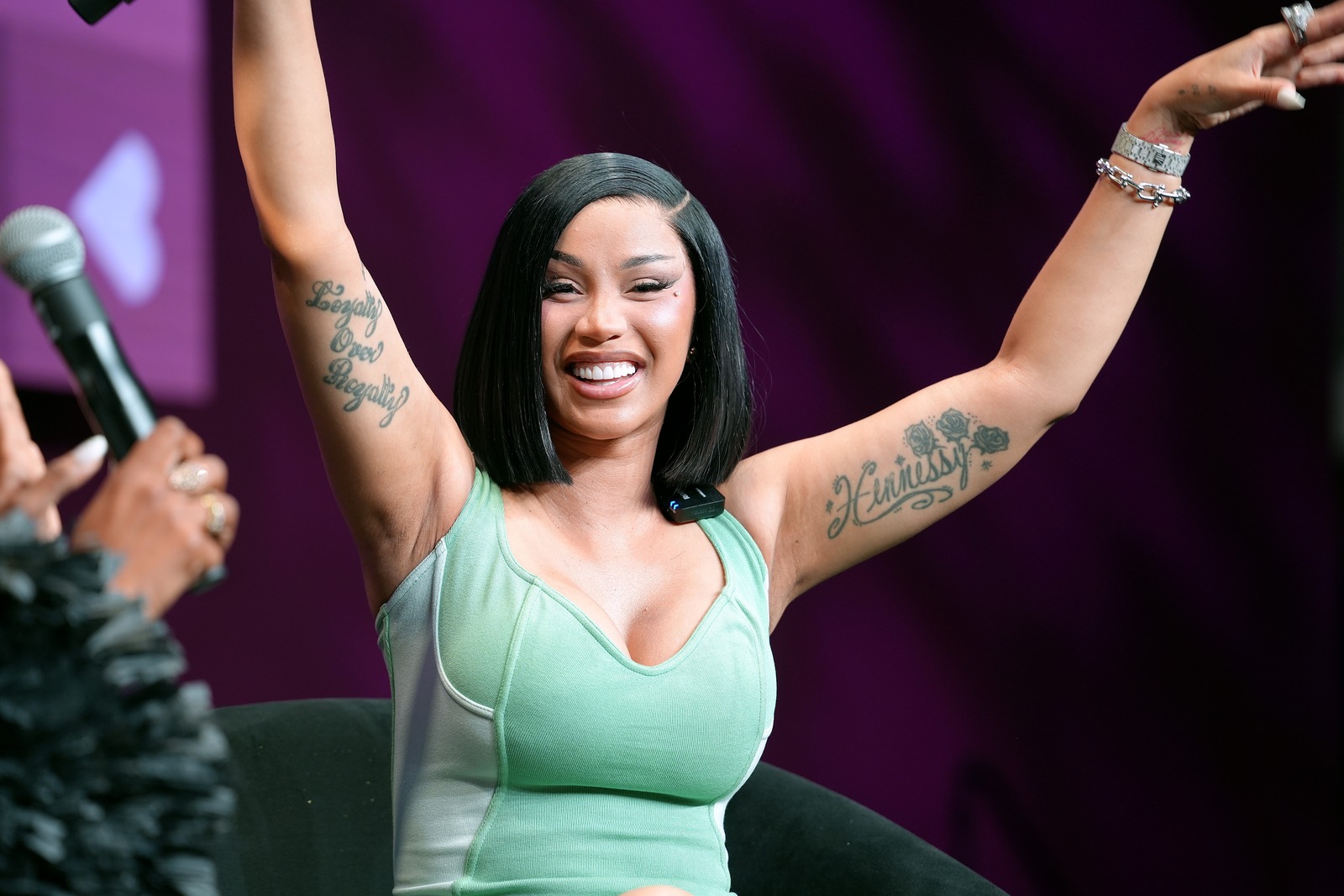
Cardi B and Offset have settled the Beverly Hills mansion lawsuit over her "Like What" music video, and the case has been dismissed weeks before it was set to go to trial.
Rolling Stone reported on Wednesday, November 25, 2026, citing court documents it obtained and a source, that the parties reached a settlement "subject to confidentiality." The source confirmed the private agreement, which came after both sides told a judge in April that they were open to mediation. Lawyers for both sides did not comment when Rolling Stone contacted them. The settlement takes a trial scheduled to begin January 5, 2027, off the calendar. No settlement amount or other terms have been disclosed, and no admission by either side has been established.
The lawsuit was filed in 2024 by Bi LLC, the owner of a glass-and-aluminum Beverly Hills mansion once occupied by Justin Bieber. In its complaint, Bi LLC alleged that Cardi B, born Belcalis Almánzar, and Offset, born Kiari Cephus, "devised a plan" to use the property "without paying full market value." The complaint alleged their representatives booked the mansion anonymously "under the false pretense" that it would be used for a TikTok video, and that the couple then made the property's "distinctive architecture" the "centerpiece" of a full-length, professional music video for "Like What." The complaint sought $35,000 in damages, according to reporting on the filing at the time.
Cardi B gave the other side the day the suit was filed, September 17, 2024, in a post on X. She said the pair paid $10,000 in cash to rent the property for a full 24 hours, from 6 a.m. to 6 a.m. the next morning, went over by one hour, and paid the realtor overage fees for that hour in March. She said cameras were all over the property and that the realtors and the owners were there the entire time, and she argued the TikTok claim appeared nowhere in the contract. Those remain her claims, just as the booking allegation remains Bi LLC's — neither side's version was ever tested at trial.
The case did survive an early attempt to end it. Cardi's lawyers asked a judge to toss the lawsuit, arguing it failed to state viable claims. In February 2025, the judge allowed the case to proceed to discovery, writing: "The complaint adequately alleges that plaintiff justifiably relied to its detriment on defendants' misrepresentation that the intent was to merely film a TikTok, when in fact defendants filmed a professional music video." That ruling addressed whether the complaint, taken on its own terms, stated a claim worth hearing — it was not a finding that the alleged misrepresentation actually happened.
That distinction is what the dismissal leaves standing. A confidential settlement ends a case by agreement, not by verdict: there is no court finding that Bi LLC's allegations were true, and no court finding that they were false. What is established is narrower and final — the lawsuit is dismissed, the January 5, 2027 trial will not happen, and whatever the parties agreed to stays private.
Why it matters: location deals are the invisible paperwork under almost every major music video, and this dispute turned on a single question the industry runs into constantly — what was the shoot actually booked as? A short social clip and a full commercial video carry very different price tags for the same house. Cardi B and Offset have now closed that fight the way most celebrity civil cases close, quietly and before a jury could answer the question in public — which means the "Like What" mansion keeps its most famous credit, and nobody outside the settlement room knows what it finally cost.