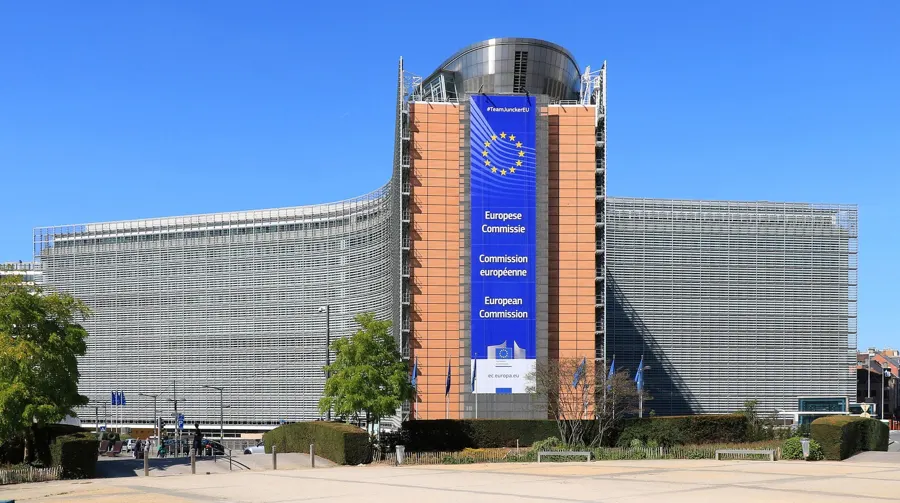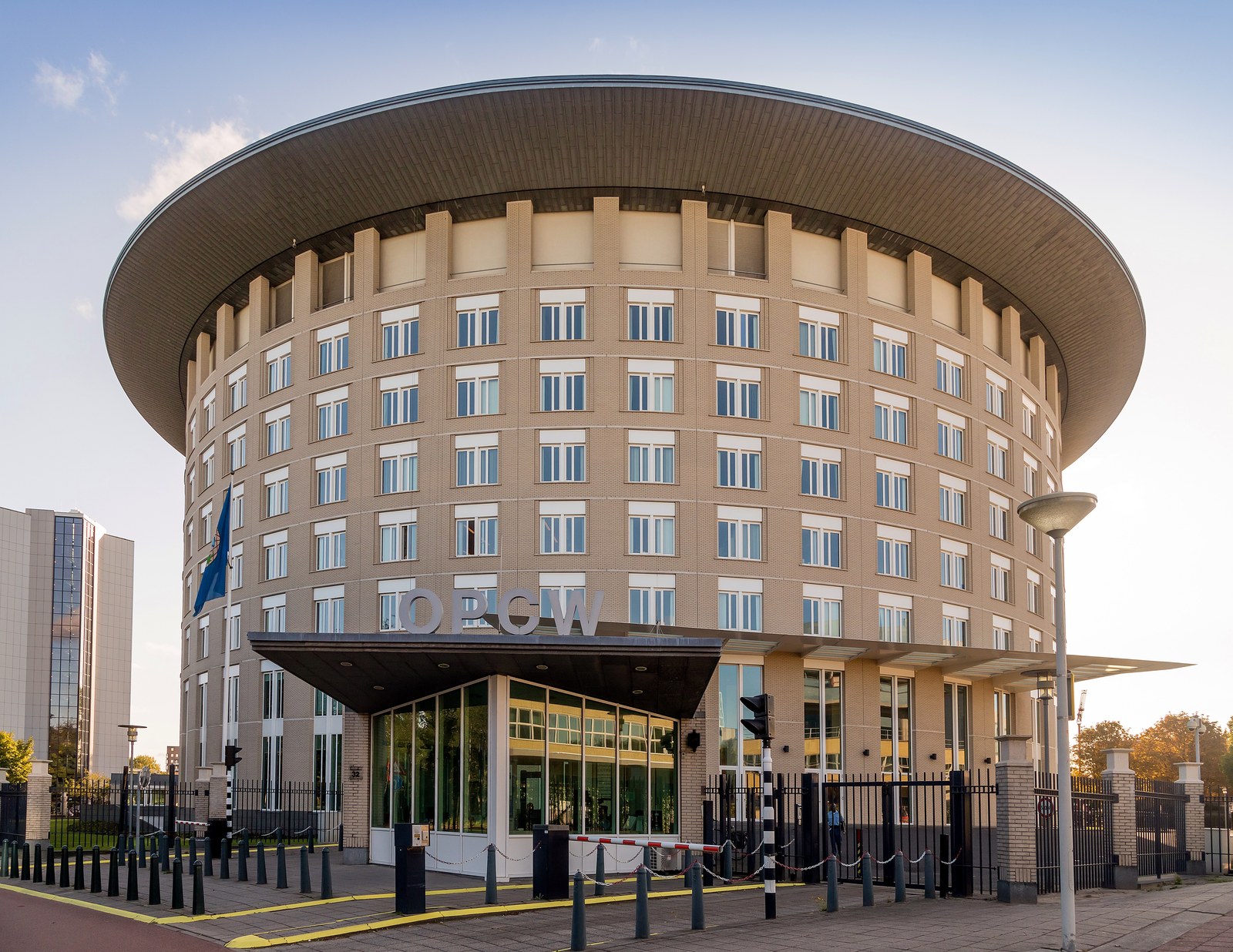
THE HAGUE — Thirty-four countries and the European Union have told Russia to stop using riot gas on the battlefield in Ukraine, in a joint statement issued Wednesday, November 25, 2026, during the annual conference of the Organisation for the Prohibition of Chemical Weapons (OPCW) in The Hague.
"We call for the immediate cessation of the use of any toxic chemicals and of riot control agents as a method of warfare in Ukraine," the statement reads. It was issued by the non-proliferation directors of 34 countries — Canada among them — together with the European Union, and it asks that next steps include identifying perpetrators through the OPCW's mechanisms under the Chemical Weapons Convention. The use of riot control agents as a method of warfare is prohibited by that convention; their use by domestic police is a separate matter.
The statement follows a report Ukraine published on Tuesday, November 17, 2026, and circulated to all 193 OPCW member states. Ukraine's report concluded that the Russian Armed Forces were responsible for a chemical incident in the Dnipropetrovsk region in September 2024. The OPCW's own role needs stating precisely: analysis by the OPCW's designated laboratories confirmed the presence of CS — 2-chlorobenzylidenemalononitrile, a tear gas — in samples collected along the confrontation lines, and the OPCW Director-General told the conference that Ukraine's investigation methodology met the organisation's standards. The OPCW itself did not attribute the use to Russia; that attribution is Ukraine's report's conclusion, which the joint statement endorses.
The September 2024 incident at the centre of the report took place on September 20, 2024, near Illinka in the Dnipropetrovsk region, where Ukraine says a Russian drone dropped a tear-gas grenade into a trench occupied by Ukrainian troops; a grenade and soil samples from the trench were among the material analysed. It is the third series of OPCW confirmations of CS in samples from Ukraine's front lines.
Ukraine says it has documented more than 14,000 cases of munitions filled with riot control agents and toxic chemicals used by Russian forces against Ukrainian personnel since 2022 — Ukraine's documented count, stated in the joint statement, not an OPCW-verified total.
Russia's side: Russia has denied using illegal munitions and has accused Ukraine of doing so. That is Moscow's standing position, carried by Reuters in its report of the statement; no new, specific Russian rebuttal of Wednesday's joint statement was reported the same day.
Why it matters: this is the broadest coordinated diplomatic move yet on the riot-gas file — 34 countries and the EU putting their names to a demand, at the chemical-weapons watchdog's own conference, that the practice stop and that perpetrators be identified. Whether Moscow answers it is the next fact to watch.
Sources: Joint Statement on Ukraine's report, published on GOV.UK (primary, November 25, 2026); OPCW Director-General's opening statement to the 31st Session of the Conference of the States Parties, The Hague (opcw.org); Reuters, Anthony Deutsch, The Hague, November 25, 2026; Kyiv Independent, Abbey Fenbert, November 25–26, 2026.